

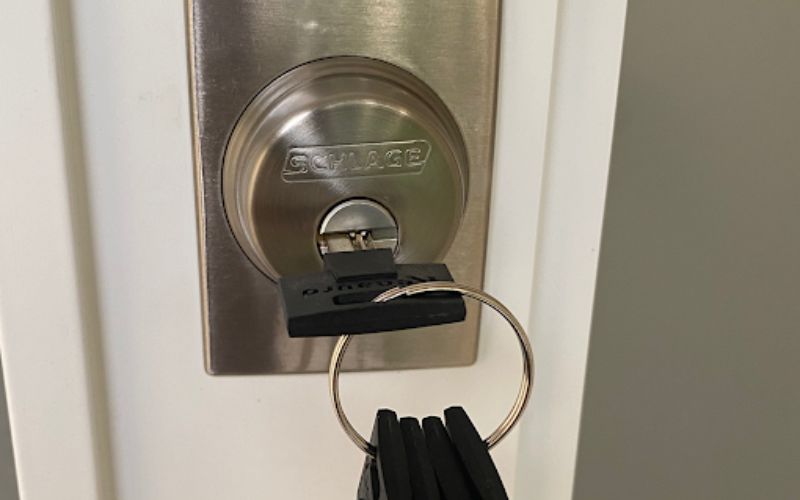
Being locked out of your garage is more than just an inconvenience; it can disrupt your entire day, block access to your car, and even put your home’s security at risk. Whether it’s a dead battery in your opener remote, a broken spring, or a malfunctioning keypad, a garage door lockout can happen to anyone at any time.
The residential garage door is often the primary entryway for modern families. According to recent industry housing surveys, over 70% of homeowners use the garage door as the main entry point to their homes. When this massive moving wall fails to operate, it locks you out of your storage, your vehicles, and potentially your entire living space.
The good news? Most garage door lockouts are fixable, and knowing what steps to take can save you time, money, and a lot of stress. This guide walks you through everything you need to know, from quick DIY fixes to when it’s time to call a licensed emergency locksmith.
What Causes a Garage Door Lockout?
Before you try to fix the problem, it helps to understand why it happened. There are several common reasons homeowners in Miami Beach and surrounding areas get locked out of their garages:
- Dead or weak battery in the garage door remote
- Broken torsion or extension spring
- Faulty garage door opener motor
- Misaligned or blocked safety sensors
- Damaged or malfunctioning wall keypad
- Power outage affecting the electric opener
- Lost or stolen garage door remote
- Lock cylinder failure on a manual garage door
Step-by-Step: What to Do When You're Locked Out
Don’t panic. Take a systematic approach to isolate the issue. Work through these troubleshooting steps one by one before calling for professional reinforcement:
Step 1: Check the Remote Battery
This is the most common and easiest fix. Handheld remotes consume steady power to transmit rolling radio codes. Replace the batteries in your garage door remote and try again. Most remotes utilize standard CR2032 lithium coin cells or AAA batteries. Slide open the rear panel, swap the cells, and check if the LED indicator light glows steadily when pressed. It sounds simple, but this solves the lockout problem more often than you would think.
Step 2: Try the Wall-Mounted Keypad
If the remote isn’t working, go to the wireless keypad mounted outside on the garage door frame. Enter your personal identification number (PIN). If the keypad successfully commands the motor to lift the door, your handheld remote is the isolated issue not the overhead door or the internal opener unit. Keypads can also run out of battery power, so if the keys fail to illuminate, look for a bottom battery compartment to swap out the old 9V battery.
Step 3: Use the Manual Release Cord
Most automated overhead garage doors feature a red emergency manual release cord hanging down from the central trolley assembly along the metal opener rail. Pulling down on this cord releases the engagement pin from the motorized carriage, allowing you to lift the heavy door entirely by hand.
Safety Warning: The manual release cord should only be used when the garage door is fully closed. Pulling it while the door is partially stuck or cracked open can cause the door to crash down violently if an internal counter balance spring is broken. Note that this feature is typically only accessible from inside the garage.
Step 4: Check the Circuit Breaker
A sudden power surge or an overloaded household circuit can trip the breaker supplying power to your garage. Head to your home’s main electrical service panel. Look for the circuit breaker labelled ‘Garage’ or ‘Outlets’. If the switch is flipped to the middle position or fully off, click it completely to the Off side, then firmly snap it back to the On position to restore power to your automated overhead motor.
Step 5: Inspect the Safety Sensors
The photo-eye safety sensors are located approximately 6 inches off the concrete floor on both sides of the vertical metal garage door tracks. These sensors must face each other in perfect structural alignment to complete their safety circuit.
If one sensor is bumped out of alignment by a trash can or lawn equipment, the door will refuse to close or move. Look at the small lights on each sensor unit: one side should display a solid green light (the sender) and the other a solid red or orange light (the receiver). If either light is blinking, gently adjust the bracket by hand until both lights remain completely steady.
Step 6: Call a Professional Locksmith
If none of the above basic troubleshooting steps resolve the issue, it is time to call a licensed, 24/7 emergency locksmith. Avoid trying to jam, pry, or force the door open using makeshift tools. You risk warping the metal tracks, splitting the wood or fiberglass panels, or damaging the internal gear assemblies, turning a simple lockout into an incredibly expensive hardware replacement.
Garage Door Lockout Causes & Solutions
| Cause of Lockout | Initial DIY Fix to Attempt | Professional Support Required? | Expected Resolution Time |
|---|---|---|---|
| Dead Remote Battery | Swap out CR2032 or AAA cells | No | 5 minutes |
| Power Grid Outage | Reset main home circuit breaker | No | 5–10 minutes |
| Sensor Misalignment | Realign brackets until lights are solid | Sometimes (if wiring is severed) | 10 minutes |
| Broken Torsion Spring | Do NOT attempt DIY — highly dangerous | Yes — Always | 45–60 minutes |
| Faulty Opener Motor | Verify main outlet power supply | Usually yes (if gears are stripped) | 1–2 hours |
| Lost or Stolen Remote | De-program old codes via motor unit | Recommended | 20–30 minutes |
| Damaged Lock Cylinder | Apply lock lubricant spray | Yes | 30 minutes |
| Keypad Failure | Check code or swap out 9V battery | If physical electronics are corroded | 15–30 minutes |
Warning: Never Force a Garage Door Open
One of the biggest mistakes homeowners make during a garage door lockout is trying to force the door open manually using sheer physical strength or tools. Sectional and tilt-up garage doors operate under immense rotational tension, which is managed by the heavy-duty spring assemblies.
Torsion springs are tightly wound steel coils mounted on a metal shaft directly above the door header, while extension springs run along the upper horizontal tracks. These components carry enough stored physical energy to balance a door weighing anywhere from 150 to over 400 pounds.
If an amateur attempts to pry the door or disengage components when a spring is compromised, that spring can snap or unwind instantly. A snapping spring releases forces that can slice through metal, warp tracks, and cause severe, life-threatening bodily injury.
Do not use pry bars, hammers, crowbars, or automotive jacks to force the garage door panels upward. If the internal manual release mechanism cannot be reached or is stuck, leave the assembly alone. Wait for a certified emergency locksmith who possesses the correct tensioning tools, winding bars, and technical training to safely bypass the system without causing structural damage or physical harm.
How to Prevent Future Garage Door Lockouts
Once you are safely back inside your home and the immediate crisis has been resolved, it pays to implement a few preventative measures to protect yourself from getting caught off-guard again:
- Keep a spare remote in a secure location: Do not leave your backup remote sitting in plain sight on your car’s visor where thieves can access it; store it securely in a hidden lockbox or with a trusted neighbor.
- Test and replace batteries regularly: Make it a habit to proactively swap out your handheld remote and external keypad batteries every 6 months, matching the schedule when you change smoke detector batteries.
- Schedule annual professional maintenance: Have a licensed technician examine your spring tension, lubricate the metal rollers, check the cable tracks, and balance the door once a year.
- Install a backup keypad entry system: If your garage currently lacks an external entry point, install a wireless digital keypad with a secure, multi-digit PIN.
- Upgrade to a smart garage door opener: Modern Wi-Fi-enabled smart openers connect directly to your smartphone via dedicated mobile apps. This allows you to monitor, open, or close your garage door from anywhere in the world, bypassing the need for physical remotes.
- Keep your lock hardware clean: If you operate a manual garage door with a keyed lock cylinder, spray the keyway with a dry silicone or graphite lubricant once a year to prevent sticky pins and corrosion from coastal humidity.
- Save an emergency number: Keep the phone number of a trusted, local 24/7 emergency locksmith saved directly in your cellular contacts list for immediate access.
When to Call an Emergency Locksmith for a Garage Door Lockout
While small battery swaps are perfectly suited for DIY, certain lockout scenarios require specialized tools and expert knowledge. It is essential to call an emergency locksmith immediately if you encounter any of the following:
- The spring is visibly broken: If you see a clear split in the coils of the torsion spring above the door, or if a lifting cable has snapped and unraveled from its side drum, the door is structurally unsafe to handle.
- The opener motor smells or makes unusual sounds: Grinding metal sounds, loud buzzing noises, or burning electrical smells indicate that the internal gears are stripped or the motor windings are shorted out. Continuous operation can destroy the unit or spark an electrical fire.
- Your entry accessories are compromised: If your car was broken into and the garage door remote was stolen, your home security is actively breached. An emergency locksmith can instantly wipe the receiver memory at the motor head and program completely new frequencies to secure your home.
- The door is physically stuck or off its tracks: If the door is sitting at an uneven angle or the rollers have popped completely out of the metal side tracks, trying to move it can cause the entire heavy structure to collapse.
- You are stranded at an unsafe hour: Getting locked out in the middle of the night or during severe weather demands a fast response to ensure personal safety.
A licensed, bonded, and insured locksmith will gain entry to your property without causing damage to your structural door panels, track frames, or electronic hardware. They can reprogram corrupted rolling codes, cut new physical keys, repair seized cylinders, and make sure your garage door security is restored immediately.
Final Thoughts
A garage door lockout is an unexpected hassle, but it doesn’t have to ruin your week. Always start with the simplest, check safest diagnostic and the batteries, verify power to the home, and clear any debris away from the photo-eye sensors. If the issue stems from a mechanical failure or a broken lock, prioritize your safety and home security by leaving it to the professionals.
If you are stuck outside, avoid risking expensive damage to your door tracks or panels. You can contact us at Best Locksmith today for fast, dependable, and completely damage-free garage door lockout services. Our team is available 24/7 to restore your access and secure your home immediately.