

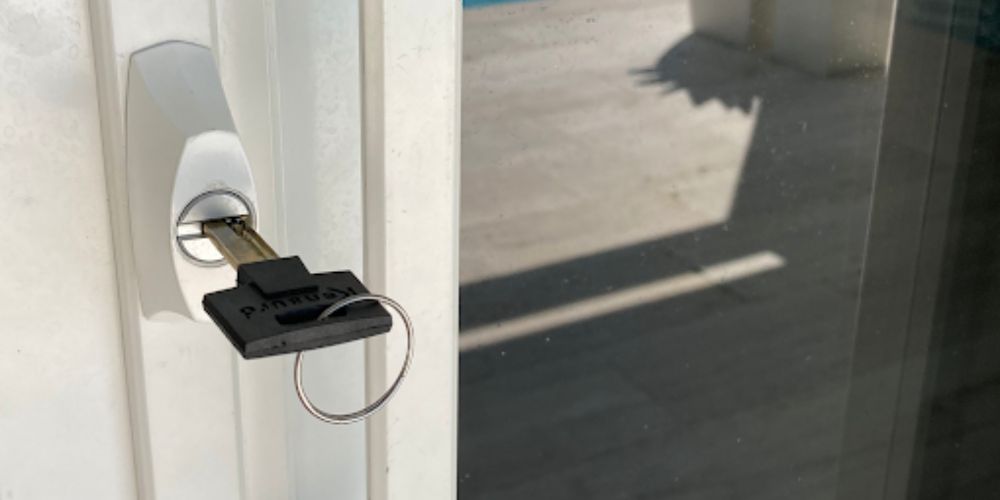
You come home after a long day. You stick your door key into the lock. You try to twist it, but nothing happens. The key just will not move. You try a little harder, but the metal begins to bend. You realize you might get stuck outside your own house.
A key that will not turn is a very common problem. It happens to almost every homeowner at least once. It’s frustrating, but it usually isn’t a serious problem. In most cases, your lock shows warning signs before it completely fails. If you catch the trouble early, you can fix it quickly. In this guide, we’ll break down the real reasons your key gets stuck and what you can safely try to fix it before it turns into a lockout.
5 Common Reasons Your Key Won’t Turn
A lock may look simple from the outside, but inside it’s full of small parts that need to line up perfectly. If one little piece has trouble, the whole system stops working. These are the most common reasons your key suddenly stops turning.
1. The Key is Bent or Worn Down
Keys are made of metal, but they are not indestructible. Every time you throw your keys into a bag or drop them on the ground, they can get tiny dents. Over time, the sharp ridges on your key wear down and become smooth. If the ridges do not match the inside of the lock perfectly, the key will not turn.
2. Dirt and Dust Inside the Lock
Your door lock faces the outside world every day. Wind blows dust, dirt, and pollen into the tiny keyhole. Over months or years, this debris builds up. The dirt mixes with old grease and creates a thick gunk. This gunk jams the internal pins and stops them from moving when you insert the key.
3. The Lock Lacks Lubrication
Just like a bicycle chain or a car engine, a lock needs lubrication to run smoothly. Without it, the metal parts rub together and get stuck. If your lock feels dry or squeaky, the internal pins will struggle to slide into the correct position.
4. Frozen or Rusted Internals
Weather can ruin your locks. Rain and humidity cause moisture to get trapped inside the keyhole, which leads to rust. In the winter, that trapped water can freeze into solid ice. If your lock is rusted or frozen, the key cannot move the internal components.
5. A Misaligned Door or Strike Plate
Sometimes, the lock itself is fine, but the door is sagging. Houses shift over time, and door hinges can get loose. If the door does not sit straight in the frame, the deadbolt will not line up with the hole in the wall (called the strike plate). This misalignment creates heavy pressure on the lock mechanism.
How to Fix a Key That Won't Turn
If you are standing at your door right now with a key that will not turn, do not force it. Pushing too hard can snap the metal right in half. Instead, try these safe troubleshooting steps in order.
1. Check the key: Take the key out and check it closely. Look for bends or worn-down edges. Are the teeth rounded out and smooth? Try using a spare key if you have one nearby. If a fresh spare key works perfectly, your old key is simply worn out and needs a replacement.
2. Apply Gentle Pressure to the Door: If the door is misaligned, the lock is under pressure. Try pushing or pulling the door firmly while you gently turn the key. You can also try lifting up on the doorknob. This removes the weight of the door from the lock bolt and might allow it to twist open.
3. Lubricate the Keyhole: Spray a proper lock lubricant directly into the keyhole. Insert your key and slide it in and out several times to spread the fluid around. Try turning it gently again.
4. Tap the Lock Cylinder: Sometimes the tiny internal springs get stuck in place. Take a light object, like the plastic handle of a screwdriver, and tap gently on the face of the lock. This small vibration can loosen a stuck pin and help it drop into place.
The Right Way to Lubricate a Lock
Many people reach for standard household oils or heavy grease when a lock jams. This is a huge mistake. Standard liquid oils are sticky. They attract dust and dirt like a magnet, which creates a thick sludge that ruins your lock completely.
To keep your locks working smoothly, you should use the right product.
- Use Dry Graphite Powder: Graphite is a dry lubricant. It comes in a small squeeze tube or an aerosol spray. Because it is a dry powder, it makes the metal parts slippery without attracting any dirt or dust. Simply squirt a tiny amount into the keyhole and turn the key back and forth to coat the pins.
- Use Teflon or Silicone-Based Sprays: If you do not have graphite, a specialised dry silicone spray works well too. It dries very quickly and leaves behind a slick layer that protects against moisture and rust.
Common Mistakes to Avoid
When you are locked out, it is easy to get frustrated. However, making the wrong move can turn a minor issue into a major, expensive repair project. Avoid these three common mistakes.
- Don’t Force the Key: If the key will not turn with your fingers, using a tool to force it is a terrible idea. Turning the key with excessive force will cause the metal to snap. If your key breaks off inside the lock cylinder, you cannot use a spare key anymore. Removing a broken piece of metal requires special tools and skills, meaning you will have to handle a much more complicated and costly hardware repair.
- Avoid WD-40 for Locks: While a quick spray of a standard multi-purpose oil might open your door in an emergency, it is bad for long-term lock health. It leaves behind a wet residue that traps dirt, leading to more jams a few weeks later. Stick to dry lubricants instead.
- Don’t Ignore the Signs: Locks rarely fail completely without warning. If your key feels sticky, catches on something, or requires you to wiggle it for a minute to get inside, your lock is telling you it has a problem. Fix it now before it stops working entirely.
Simple Preventive Maintenance Tips
The best way to handle a lockout is to prevent it from ever happening. Spend five minutes every few months maintaining your door hardware to save yourself hours of frustration later.
| Maintenance Task | How Often? | Why It Matters |
|---|---|---|
| Lubricate Keyholes | Every 6 Months | Keeps internal pins moving freely and prevents rust. |
| Tighten Hinge Screws | Once a Year | Prevents the door from sagging and dragging the latch. |
| Clean the Hardware | Every Few Months | Removes dirt and grime from the outside surfaces before it gets inside. |
| Inspect Your Keys | Every Few Months | Helps you spot cracks or bent edges before the key snaps. |
Conclusion
A door key that refuses to turn is a clear warning sign that your lock needs attention. Most of the time, a little bit of cleaning, a spray of the right dry lubricant, or gently removing pressure from a sagging door is all it takes to fix the problem. Taking care of these small issues today ensures your home stays secure and prevents a stressful emergency down the road.
If you try these steps and your key still will not turn, do not force it and risk breaking the key inside the cylinder. It is always safer to let a professional handle it before a sticky lock becomes a total lockout.
Are you currently struggling with a jammed door or a worn-out deadbolt? Contact Us today, and our team of expert technicians will get your locks working smoothly and safely in no time!