

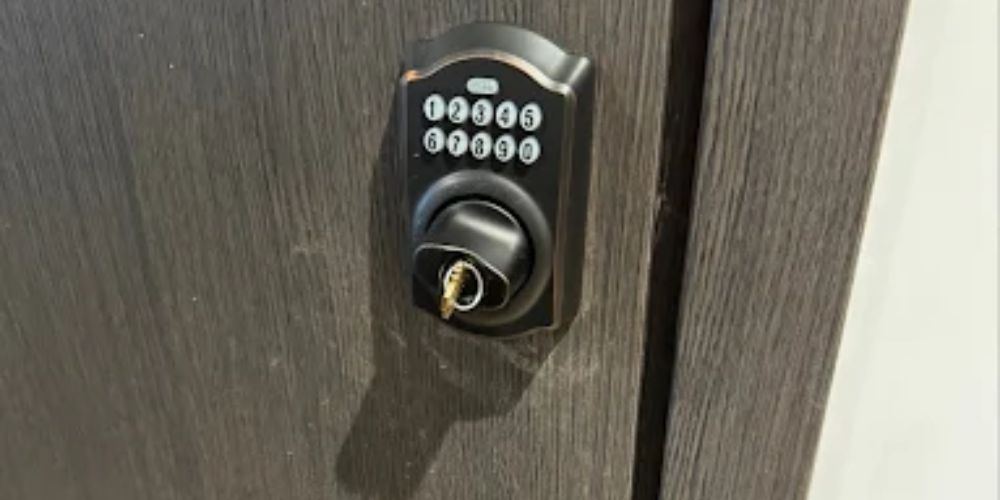
Getting locked out of your home can happen when you least expect it. Lost keys, broken locks, or damaged keys can quickly turn into a stressful situation. Or worse, you turn the key and it snaps right off inside the deadbolt. In situations like these, most people want a locksmith who can solve the problem quickly and safely. When you are stranded in a stressful situation, panic takes over. You grab your smartphone, type emergency locksmith near me into Google, and call the first phone number on your screen. Unfortunately, some dishonest operators take advantage of customers who need urgent help.
The lock industry faces a major issue with fake businesses. Unprofessional operators advertise unbelievably low rates online just to get your attention. But once they arrive at your home, they change the rules and demand a massive cash payment. They might even use heavy power drills to completely ruin your expensive front door hardware instead of picking it open safely. A few simple checks can help you avoid unnecessary costs and poor service. You can protect your home, your family, and your wallet by taking just five minutes to review these five critical safety checkpoints before you officially hire a technician.
1. Check The Locksmith's Licence And Insurance
You must confirm that the business operates legally before you let any technician touch your front door security system. Home safety is a major priority, so you need to know exactly who has access to your house keys.
A high-quality business always maintains two primary pieces of paperwork: a state or local business license and a liability insurance policy.
- State and Local Licensing: Many states require a specific trade license to offer lock installation or door repair services. To earn this credential, a technician must pass an official criminal background check and complete real technical training. When you call a service provider, ask them to give you their state license number. You can verify this number on your local government website within a few minutes. If your state does not require a trade license, look for an official registration with a national trade group like the Associated Locksmiths of America (ALOA).
- Liability Insurance Coverage: Insurance keeps you safe from costly mistakes. Even a seasoned technician can make an error that damages your wooden door frame, breaks a window, or snaps an expensive electronic keypad. If the business has proper liability insurance, their insurance policy pays for the repair bills. If they do not carry insurance, you will have to pay for those damages out of your own pocket. Always ask for proof of active insurance before any work starts on your property.
2. Ask for a Written Price Before The Work Begins
Price traps are the most common trick used by untrustworthy service providers. You see an online ad that promises an unbelievably low basic fee for a lock replacement. This sounds like an amazing bargain, so you call them immediately.
The real problem happens once the technician arrives at your house. They examine your standard door lock and claim that your specific security system is too advanced or requires special tools. Suddenly, your cheap service call turns into a massive cash bill.
Watch out for these common pricing red flags when the technician arrives:
- The Unforeseen Complexity Excuse: They claim your completely standard residential lock is a high-security or advanced model that requires a much higher fee to bypass.
- Refusal to Put It in Writing: They give you a vague verbal estimate but make excuses when you ask for a written, itemized breakdown before they start drilling.
- Hidden Fees and Extra Charges: They suddenly tack on surprise fees for mileage, emergency response, or specialized tools that were never mentioned on the initial phone call.To protect your wallet, always get a firm, written estimate that includes the service call fee, labor, and the cost of any replacement hardware before letting the technician touch your door.
3. Verify The Company Identity And Local Reputation
Many internet ads are created by large, out-of-state call centers rather than actual local shops. These call centers create dozens of fake business names and digital map listings. When you dial their number, they route your call to an independent subcontractor who might not have any formal training or real credentials.
You can easily spot these deceptive call center networks by using these verification steps:
- Listen to the Phone Greeting: When you call the phone number, notice exactly how the staff answers. If they say a generic phrase like Hello, locksmith services, instead of a specific business name like Best Locksmith, ask them to state their full legal business name. If they cannot give you a straight answer, hang up the phone.
- Check the Service Vehicle: A real local business usually sends a professional technician in a clearly marked company van or truck. The vehicle should display the company logo, a phone number, and a local address that matches their online listing. Be cautious if a technician arrives in an unmarked personal sedan or an old rental car.
- Inspect the Official ID: Ask the technician to show you their corporate identification card and their driver’s license before they begin working. A legitimate professional will gladly share their identification to ensure you feel comfortable and secure.
4. Read Customer Reviews And Check The Business Address
You can learn a lot about a local business by looking at their real track record with other homeowners in your neighborhood. Before you pick up the phone, do a quick digital search to read independent customer reviews on third-party websites like Google Maps, Yelp, and the Better Business Bureau (BBB).
What to Look for in Customer Reviews
Do not just look at the overall star rating. Read the actual text of the reviews to look for consistent warning signs or positive trends:
- Look for Specific Details: Real reviews usually describe the exact problem, like a broken smart lock or an automotive transponder key replacement. Be suspicious of profiles that only post short, vague phrases like Great job! or Five stars! over and over again.
- Check the Response to Complaints: See how the company answers poor reviews. A reputable provider will respond calmly and try to fix the problem for an unhappy customer. If the company responds with angry messages or insults, avoid hiring them.
- Watch out for Sudden Price Jumps: If multiple customers complain that the final bill was double the amount of the initial phone quote, you are likely looking at a classic bait-and-switch operation.
Check Whether the Business Has a Real Address
Take a close look at the street address listed on the company website or Google profile. Copy that exact address and drop it into a satellite map view. Is the address a real storefront with a clear sign? Or is it a vacant lot, a grocery store parking lot, or a random apartment building? A real local storefront means the business is deeply rooted in your community, which makes them much easier to contact if your new keys stop working next week.
5. Ask About Warranties And Guarantees
Even high-quality locks can sometimes fail due to factory defects or tiny alignment errors during the installation process. If your brand-new deadbolt jams up two days after it was installed, you need to know that the company will return to fix the issue without charging you a second time.
A reputable locksmith should provide a clear warranty covering both the hardware and the installation work.
- Parts Warranties: Major lock manufacturers like Schlage, Kwikset, and Yale offer specific factory warranties on their physical hardware. Your technician should explain these details to you and hand over the original product packaging and warranty documents.
- Labor Guarantees: A reliable service provider will generally offer a 30-day to 90-day guarantee on their actual installation work. This means if the key becomes difficult to turn or the latch does not line up with the strike plate correctly, they will come back out to adjust the hardware for free.
Important Safety Rule: Always request a clear, printed receipt or a formal digital invoice at the end of the service call. This document must show the official business name, their phone number, a list of all parts used, and the total payment amount. You will need this detailed receipt to claim your warranty benefits if something goes wrong later.
Conclusion
Choosing the right locksmith becomes much easier when you know what to look for. By taking just a few minutes to verify licenses, read real customer reviews, and ask for written estimates, you can easily protect your home and avoid costly security traps. Remember, the best time to find a professional is before an actual emergency happens.
If you want to secure your home today or need reliable help with your door hardware, feel free to contact us at Best Locksmith. Our licensed, local team is always ready to provide honest rates, excellent labor guarantees, and top-tier customer service to keep your family safe.