

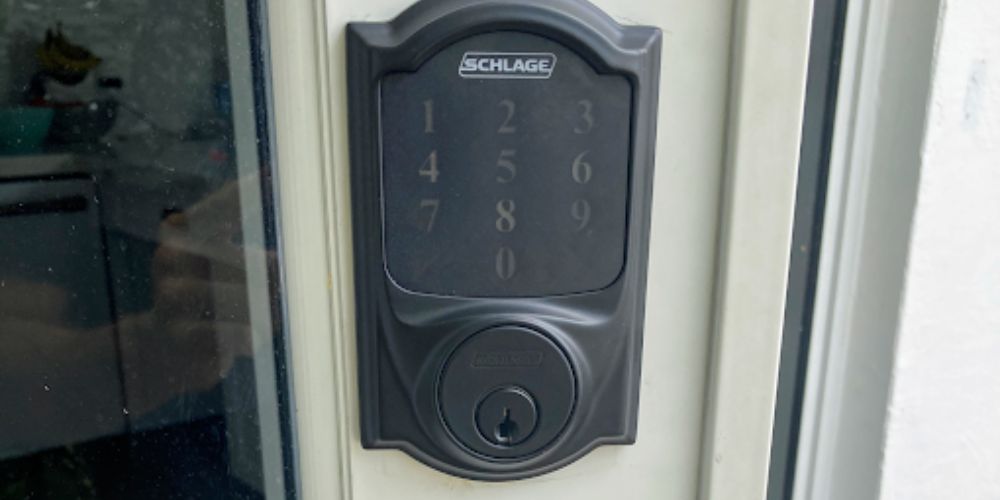
Home security has changed a lot over the past decade as new lock technology has become more widely available. A lot of that change comes down to one thing most people barely think about: the lock on their front door. Locks used to be simple mechanical devices with a key and a set of pins. Today they can recognize your fingerprint, send an alert to your phone, and lock themselves automatically the moment you walk away. These improvements aren’t only about convenience they also help homeowners better protect their property.
If you’re thinking about upgrading your locks or just want to understand why so many homeowners are making the switch, here’s a full breakdown of how modern locks work, what makes them better, and how to pick the right one for your home.
The Problem With Traditional Locks
Standard pin tumbler locks have been around for over 150 years, and while they still work fine for basic security, they have real weaknesses:
- They can be picked with cheap tools bought online
- Keys get lost, copied, or stolen without your knowledge
- Bump keys can open many standard locks in seconds
- There’s no way to know who came in or out, or when
- Locksmiths and burglars alike can identify weak lock brands on sight
None of this means traditional deadbolts are useless. A good quality deadbolt installed correctly still stops a lot of break-in attempts. But it leaves gaps that modern lock technology was built to close.
What Makes a Lock Modern
Modern locks offer more than keyless entry. They combine stronger physical security with better access control and useful monitoring features. Here’s how each of these plays out in real products.
Here are the sections of your blog updated with bullet points to make the information easier to scan and digest.
1. Smart Locks and Keyless Entry
Smart locks replace or work alongside your physical key with a PIN code, fingerprint, key fob, or smartphone app. Instead of relying on a single key, you can unlock your door with a PIN, fingerprint, smartphone, or key fob while deciding who has access.
- Solves the Lost Key Problem: If a key goes missing, you don’t need to change the entire lock. Simply delete the old access code or fingerprint and create a new one.
- Eliminates Hidden Spare Keys: You no longer need to hide a spare key under the mat or inside a fake rock, which are the first places burglars look.
- Zero Wait Time: Avoid the hassle, cost, and scheduling of a locksmith visit to re-key your home.
2. Biometric Locks
Fingerprint and facial recognition locks have moved from office buildings into regular homes. These locks verify your identity using your fingerprint or face, removing the need for physical keys or shared PINs. Even if someone watches you unlock the door, they can’t replicate your biometric data.
- Individualized Access: Every family member can have their own fingerprint on file.
- Enhanced Security: People can steal keys or guess PIN codes, but they cannot copy your fingerprint.
- Quick Entry: Gain access to your home in seconds without fumbling for keys or remembering codes.
3. Smart Deadbolts With Auto-Lock
One of the most common home security mistakes is simply forgetting to lock the front door. Smart deadbolts fix this by automating your home’s perimeter.
- Auto-Locking: The bolt engages automatically after a set time, ensuring your door is always secure, even if you forget to lock it.
- Auto-Unlock: Many models sense your phone approaching, unlocking the door for you as you reach the entrance.
- Constant Vigilance: These features remove the temptation to leave the door unlocked just for a minute, significantly reducing the window of opportunity for intruders.
4. Remote Access and Real-Time Alerts
Remote access is one of the features that makes modern locks especially useful. Through a connected app, you can:
- Global Control: Lock or unlock your door from anywhere with an internet connection.
- Instant Notifications: Get an alert on your phone every time the door opens or closes.
- Access Audits: See exactly who used which code and at what time.
- Temporary Permissions: Grant access to a dog walker, cleaner, or guest, then revoke it instantly when they are done.
- Security Warnings: Receive an alert if someone tries an incorrect code repeatedly, signaling a potential break-in attempt.
5. Tamper and Forced-Entry Resistance
Many modern locks are built with stronger materials to better resist forced entry. Reputable brands build locks designed specifically to defeat common break-in tactics:
- Durable Materials: Hardened steel bolts that resist sawing and drilling.
- Advanced Internal Design: Anti-pick pin configurations and anti-bump technology.
- Audible Deterrence: Built-in tamper alarms that trigger a loud alert if someone attempts to force the lock.
- Structural Reinforcement: Heavy-duty strike plates that stop “kick-in” attempts, which remain one of the most common ways burglars enter a home.
6. Integration With Full Home Security Systems
Locks used to be standalone items; now they are the center of a bigger network. By integrating your lock with other smart devices, you create a cohesive defense:
- Unified Ecosystem: Connect your lock to video doorbells, security cameras, and alarms so they communicate with each other.
- Contextual Evidence: If your camera sees someone at the door and your lock logs a failed entry attempt at the same time, you get a clear, verified picture of the event.
- Automated Deterrence: Trigger secondary actions, such as turning on porch lights automatically when the door unlocks after dark, adding an extra layer of visibility to scare off intruders.
The Role of Modern Locks in Home Security
It’s easy to treat all of this as convenience rather than real protection, but the numbers tell a different story. A large share of break-ins happen through unlocked doors, forced front doors, or copied keys. Modern locks directly address all three of those entry points:
- Auto-lock removes the forgot to lock it problem
- Reinforced hardware makes forced entry much harder
- Digital access codes remove the risk of duplicated or stolen keys
On top of that, the activity logs and real-time alerts mean you’re no longer guessing about your home’s security. You know, in the moment, exactly what’s happening at your front door.
Choosing the Right Modern Lock for Your Home
Not every home needs the most expensive smart lock on the market. Here’s how to think about what actually fits your situation.
If you live alone or with a partner: A keypad deadbolt with smartphone access covers most needs without unnecessary extras.
If you have kids or a large family: Look for a lock that supports multiple fingerprints or codes so everyone has their own access without sharing one PIN.
If you rent out a property or host guests often: Prioritize locks with temporary and scheduled access codes, so you’re not handing out physical keys or permanent codes to people who only need access for a few days.
If your home already has a security system: Choose a lock that’s compatible with your existing setup so everything runs through one app instead of three.
If you want maximum physical security: Look past the smart features and check the lock’s grade rating. ANSI Grade 1 locks offer the highest resistance to force, picking, and drilling, and this matters just as much as the digital features.
Final Thoughts
Modern locks have transformed home security from a passive, hope-for-the-best setup into an active, intelligent shield. By eliminating centuries-old vulnerabilities like lost keys, lock bumping, and forgotten deadbolts, these devices give you total control over who enters your home and when. Upgrading your front door isn’t about chasing the latest gadget trend, it’s a practical, high-impact investment that directly closes the structural gaps burglars rely on most.
Taking the first step toward a smarter home doesn’t have to be overwhelming, even if you are unsure which hardware fits your current door frame or budget. If you are ready to ditch the physical keys and experience true peace of mind, we are here to guide you through the selection and installation process. Contact us today to learn more about modern lock options and professional installation services.




