

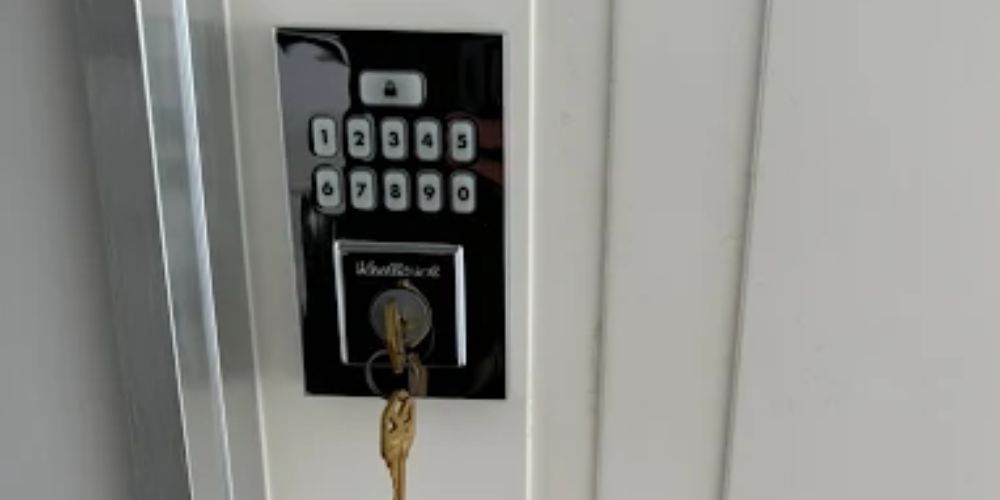
Every door in your home serves a different purpose, which is why each one needs the right type of lock. From the front door that welcomes guests to the secluded back door or the private bedroom, every opening requires a lock designed specifically for its purpose. Using the wrong lock is like wearing shoes that don’t fit; it might physically function for a little while, but it won’t feel right and it won’t keep you safe. Weak or improper locks are an open invitation to burglars, whereas a carefully chosen, high-quality lock system offers a robust first line of defense that makes thieves think twice before targeting your property.
With so many lock options available today, it can be difficult to know which one is right for your home, but picking the absolute best lock for your space doesn’t have to be a guessing game. By matching the right hardware to the specific security risks of each door, you can achieve maximum protection where it counts and effortless convenience where it matters most. It is one of the smartest, most cost-effective home security steps you can take, working reliably every single day without relying on Wi-Fi or complex systems. This comprehensive guide will walk you through the most common lock types, pinpoint exactly where to use them, and help you select the perfect hardware to keep your family and belongings secure.
Why the Right Lock Matters
A lock is often the first thing a burglar checks before trying to break in. Weak locks are easy targets. Strong locks make thieves think twice and move on to an easier house. Different doors face different risks. Your front door gets used every day and needs to handle heavy traffic. Your back door is often hidden from view, so it needs extra strength. Your garage door connects to your whole house, so a weak lock there puts everything at risk.
Choosing the right lock for each door is one of the smartest home security steps you can take. A quality lock protects your home around the clock without depending on electricity or an internet connection.
Common Door Lock Types
Before choosing a lock, it’s important to understand the different options available.
- Residential Deadbolts & Key Systems: The absolute foundation of home security. Heavy-duty deadbolts prevent forced entry by sliding a solid metal bolt deep into the door frame. If you’ve recently moved or lost a key, these systems can often be rekeyed, giving you a brand-new set of keys without the expense of replacing the entire lock hardware.
- Smart Keys & High-Tech Access Control: Modern security relies heavily on convenience. Smart locks and digital access control systems allow you to secure your home using specialized key fobs, transponder signals, or digital codes, giving you full control over who enters your property and when.
- Commercial High-Durability Hardware: Businesses require much stronger protection due to heavy daily foot traffic. Commercial properties benefit from specialized security setups, including heavy-duty commercial-grade locks and professional panic bars (exit devices) that ensure safe, smooth exit compliance during emergencies.
- Master Key Systems: Ideal for properties with multiple entry points or businesses with restricted areas. A master key system allows managers or homeowners to access every door with a single key, while secondary keys only open specific doors combining elite security with operational simplicity.
Best Lock & Service for Each Door
| Door Type | Best Lock / Service Option | Why It Works |
|---|---|---|
| Front Door / Main Entry | Residential Deadbolt + Rekeying Service | Heavy daily use needs top-tier physical security; rekeying ensures old keys won't work. |
| Business / Retail Entry | Commercial-Grade Hardware | Built to handle high traffic and resist commercial break-in attempts. |
| Emergency / Side Exits | High-Durability Panic Bars | Provides instant exit capabilities during emergencies while keeping the door locked from the outside. |
| Multi-Room Properties | Master Key System | Streamlines security by letting you carry one key for multiple access points. |
Lock Grades Explained
Locks are rated by grade, and this rating tells you how tough the lock really is. The American National Standards Institute, or ANSI, sets these grades from 1 to 3.
Grade 1 locks are the strongest and are often used in commercial buildings, though many homeowners choose them for extra peace of mind. Grade 2 locks offer solid protection and fit most homes well. Grade 3 locks are the most common and the most affordable, but they offer the least resistance against force.
When shopping for a lock, always check the grade on the packaging. A higher grade means a longer lifespan and better resistance to kicks and drills.
What to Consider Before Buying
- Door Material: Wood, metal, and fiberglass doors all hold locks differently. A solid wood or metal door can support a heavy-duty deadbolt. A hollow door or thin panel may not hold up as well against forced entry, no matter how strong the lock is.
- Frame Strength: A lock is only as strong as the frame around it. Even the best deadbolt will fail if the door frame is weak or the screws are too short. Reinforcing the strike plate with three-inch screws adds real strength at a low cost.
- Budget: Good locks range widely in price. Basic knob locks can cost very little, while smart locks and commercial-grade deadbolts cost more. Set a budget for each door based on how much risk that door carries. Spend more on entry points and less on low-risk interior doors.
- Ease of Use: Think about who uses each door. Kids, older family members, and guests all need locks that are simple to operate. A lock that is hard to use often gets left unlocked, which defeats its whole purpose.
- Weather Exposure: Outdoor locks face rain, sun, and temperature swings. Choose weather-resistant finishes like stainless steel or solid brass for any lock exposed to the elements.
Signs It's Time to Replace a Lock
Locks wear out over time, just like anything else in your home. Watch for these warning signs:
The key sticks or feels loose when turning. The lock rattles or feels wobbly on the door. Rust or corrosion appears on the metal parts. You recently moved into a new home and don’t know who has old keys. A lock was damaged during an attempted break-in, even if it still works.
Any one of these signs means it’s time for a lock upgrade.
Simple Tips for Better Door Security
Adding a good lock is a great start, but a few small habits make a big difference too.
Always lock every door, even for quick trips outside. Use a peephole or video doorbell so you can see who’s knocking before opening the door. Change locks after moving into a new home. Keep spare keys with a trusted neighbor instead of hiding them outside. Rekey your locks every few years, especially if you’ve given keys to contractors or service workers.
Final Thoughts
Choosing the right lock for every door isn’t about buying the most expensive option on the shelf; it’s about matching the right level of hardware to the specific job it needs to perform. Your front door requires heavy-duty resilience and smooth daily reliability, your interior doors need straightforward privacy without unnecessary complications, and your external storage spaces require rugged, portable weather protection. Taking the time today to evaluate your home’s entry points can uncover hidden vulnerabilities before someone else discovers them for you. A small, proactive upgrade to your home’s physical hardware now can protect you from devastating security headaches down the road.
If you look around your house and feel unsure whether your current setups are actually safe, or if you are ready to transition your home to high-security grade 1 deadbolts and smart access systems, you do not have to tackle it alone. Our experienced locksmiths can help you choose the right locks and install them properly for better home security. Don’t leave your family’s safety up to guesswork. Contact us today to schedule a comprehensive home security audit or to get a fast, reliable quote from our expert locksmiths.




