

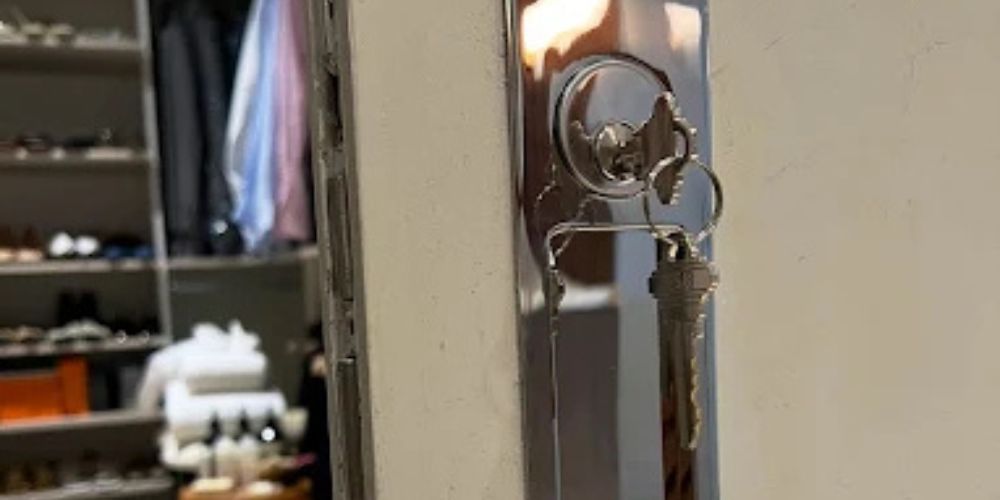
Business doors get used far more than home doors. Employees, customers, and delivery drivers push, pull, or swipe through them hundreds of times a day, and that wear adds up fast. Hardware maintenance is easy to ignore until something breaks at the worst time.
Most problems build up slowly instead of happening overnight. A little attention now can save you from a jammed door, a broken lock, or a security gap that puts your building at risk. Here are seven practices worth building into your routine.
1. Inspect Hardware on a Regular Schedule
Doors don’t usually fail all at once. A hinge loosens, a latch starts sticking, and slowly the whole door feels off. Most business owners only notice when it’s already inconvenient, like a door that won’t close all the way or a lock that takes three tries.
A monthly walkthrough catches these issues while they’re still cheap to fix. Test each door instead of just glancing at it. Push, pull, lock, and unlock every one. If something feels different from last month, write it down, even if the door still works.
What to check during an inspection:
- Door alignment in the frame
- Hinge tightness and any squeaking
- How smoothly the latch engages
- Whether the door closes fully on its own
- Any rust, corrosion, or discoloration on metal parts
- Weatherstripping and seals around the edges
2. Keep Locks and Latches Lubricated
Locks have small moving parts that need lubrication to keep working right. Dust, grit, and humidity get into the mechanism over time and slow everything down. A lock that used to turn smoothly starts feeling stiff, and it can seize up completely, sometimes right when you need to get through the door in a hurry.
Household oils like WD-40 attract dust and grime over time, which ends up clogging the lock instead of helping it. A dry lubricant made for locks is the better choice since it doesn’t leave a sticky residue. If you’re not sure which product suits your hardware, a commercial locksmith can tell you in a couple of minutes.
A few lubrication tips:
- Use graphite or silicone based dry lubricants, not oil based ones
- Apply a small amount into the keyway and let it work in naturally
- Wipe away excess so it doesn’t attract dirt
- Lubricate hinges and closers too, not just the lock cylinder
- Do this every three to six months depending on how much the door is used
3. Tighten and Replace Worn Screws and Fasteners
Loose screws are behind a surprising number of commercial door problems. Every slam or hard pull works the screws in the hinges and strike plates a little looser, and over time a door that used to close firmly starts sagging or rattling.
Check with a screwdriver every few months. If a screw spins without tightening, the hole has worn out and needs a longer screw or a wood filler patch. Strike plates take a beating too, since that’s where the latch slams into the frame all day. A stripped screw takes two minutes to replace and costs almost nothing, but ignoring it can eventually mean replacing a whole hinge or frame section.
4. Clean and Protect Exterior Hardware From the Elements
Exterior doors have it rough. Rain, sun, dust, and temperature swings take a toll on metal hardware, and commercial buildings usually have more exterior doors than a typical home. Rust and corrosion spread fast once they start, and can eat into a lock’s internal mechanism before anyone notices.
Wiping down exterior locks, handles, and hinges every so often removes the grime that traps moisture against the metal. This matters even more for businesses near the coast, since salt air speeds up corrosion faster than people expect. Hardware rated for outdoor and marine use holds up much better than standard interior grade parts.
| Hardware Type | Common Problem | Simple Fix |
|---|---|---|
| Door hinges | Squeaking, sagging | Lubricate, tighten screws |
| Lock cylinders | Sticking, hard to turn | Dry lubricant, professional cleaning |
| Exit devices | Won't latch, feels loose | Tighten mounting hardware, check alignment |
| Door closers | Slams shut or closes too slow | Adjust closing speed valve |
| Strike plates | Door doesn't catch | Realign or replace plate |
| Weatherstripping | Drafts, water leaking in | Replace worn seals |
5. Pay Attention to Door Closers and Alignment
A door closer controls how fast a door shuts, and it’s supposed to do this smoothly without slamming or dragging. Over time, closers can leak hydraulic fluid or the internal spring can weaken. You’ll notice the door either bangs shut hard enough to rattle the frame, or closes so slowly it barely latches.
Both situations cause real damage. A door that slams repeatedly stresses the hinges, frame, and even the wall around it. One that closes too slowly might not latch properly, which means it isn’t secure even if it looks closed. Most closers have an adjustment screw for closing speed, and a small turn is often enough to fix minor issues. If that doesn’t help, the closer is probably due for replacement.
6. Don't Ignore Access Control and Electronic Hardware
A lot of commercial buildings have moved beyond traditional keys to keypads, card readers, or fob systems. These make managing who comes and goes easier, but they carry maintenance needs mechanical locks don’t have. Batteries die, wiring loosens, and software occasionally needs updates.
Things worth checking on electronic access systems:
- Battery levels in wireless locks and keypads
- Whether card readers respond quickly and consistently
- Loose wiring connections at the door frame
- Old access codes or lost cards that should be deactivated
- Backup power or manual override options in case of a power outage
Skipping these checks is how businesses end up with employees locked out during a busy morning, or an old employee’s access card still working months after they’ve left. An access control system built around how your business operates makes these checks less of a hassle.
7. Know When to Call a Professional Instead of DIY
Business owners can handle a lot themselves, like tightening screws or applying lubricant. But some issues go deeper than surface level maintenance, and forcing a fix can make things worse. A damaged lock cylinder, a misaligned frame, or a leaking door closer usually needs someone who works on these systems for a living.
Pushing through a DIY repair on a master key system or an electronic access panel can backfire and leave your building less secure than before. A locksmith who handles commercial hardware regularly can diagnose the problem instead of guessing. And if hardware fails outside business hours, an emergency locksmith can secure your building the same night.
Keeping Your Doors Working the Way They Should
Most business owners only think about door hardware once it stops working. A bit of regular attention changes that. Checking screws, lubricating locks, and watching your closers catches problems while they’re still cheap to fix, and keeps your building safer to move through, especially with South Florida’s heat and salt air adding to the wear.
If your doors are giving you trouble, or it’s been a while since anyone looked at the hardware, get in touch with Best Locksmith before a small issue turns into a bigger one.