

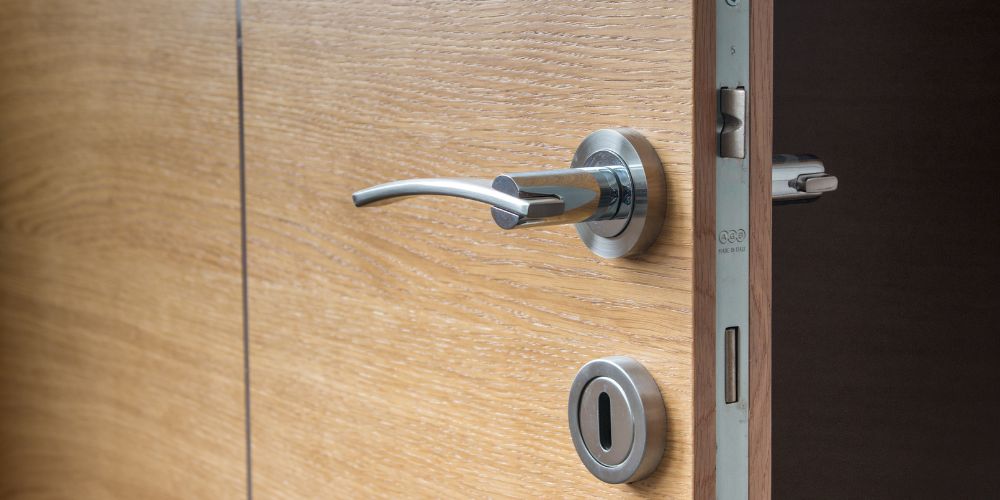
A door lock does its job quietly for years. Most people never think about it until one morning the key won’t turn. But locks do not fail all at once. They wear down slowly, and there are usually small warnings along the way if you know what to look for.
Most homeowners in Florida deal with heat, salt air, and humidity on top of normal daily use. That combination is hard on metal parts, and it speeds up the kind of wear that would otherwise take years to show up. Below are six signs that tell you a lock is on its way out, plus what each one usually means and what to do about it.
What Makes a Door Lock Wear Out
A lock is a mechanical device with dozens of tiny moving parts. Every time you turn a key, pins, springs, and a cylinder all move together, and each of those parts rubs against the others just a little. Over hundreds or thousands of uses, that small amount of friction adds up and starts to change how the lock feels and works.
Salt in the air makes things worse. It speeds up corrosion inside the lock body, in spots you cannot see from the outside. Rain, sun, and the daily slam of the door add to that, which is part of why locks near the coast tend to wear out sooner than locks further inland.
Signs That Your Door Lock Is Wearing Out
A worn-out door lock can cause small problems at first, but these signs can become more serious if they are ignored. Here are some common signs that your door lock may be starting to wear out and could need repair or replacement.
1. The Key Sticks or Is Hard to Turn
If your key used to slide in and turn with no effort, and now you have to wiggle it or push down before it catches, that is a warning sign. This usually means the pins inside the cylinder are worn down or the internal springs are losing tension. A little graphite lubricant can help for a short while, but if the sticking keeps coming back, the cylinder itself is likely wearing out.
2. The Lock Feels Loose or Wobbly
Grab the doorknob or lever and give it a gentle shake. A lock that has some play in it, meaning it wiggles side to side or feels loose against the door, has worn mounting screws or internal parts that no longer sit tight. A loose lock is more than an annoyance. It is also easier to force open, so it turns into a security problem.
3. You Need to Jiggle the Key to Lock or Unlock the Door
This is one of the most common complaints locksmiths hear. If you find yourself jiggling, lifting, or pushing the door while turning the key, the internal pins are probably misaligned or worn unevenly. Sometimes this points to a bigger issue with the strike plate or door frame rather than the lock alone, so it helps to have someone check both.
4. The Deadbolt Doesn't Fully Extend
A deadbolt that used to slide all the way into the door frame but now stops short is a real safety concern. This can happen because the bolt itself is worn, the strike plate has shifted, or the door has settled slightly over time. Whatever the cause, a deadbolt that does not fully extend cannot do the job it was built for.
5. Visible Rust or Corrosion
You can usually spot rust starting around the keyway or along the edges of the strike plate. If it has reached that point, the pins and springs inside are probably corroding too, even though you cannot see them. In coastal areas, this tends to happen faster on locks facing the ocean side of a home.
6. The Key Breaks or Bends Easily
Keys are made of softer metal than the lock itself, so they naturally wear before the lock does. But if a key feels like it is bending too easily, or if you have had one snap off inside the cylinder, that is often a sign the lock’s internal pins are gripping unevenly and putting extra stress on the key with every turn.
Quick Reference: What Each Sign Usually Means
| Sign | Likely Cause | What To Do |
|---|---|---|
| Key sticks or is hard to turn | Worn pins or weak springs inside the cylinder | Try lubricant first, replace if it keeps happening |
| Lock feels loose or wobbly | Worn mounting screws or internal parts | Tighten screws, replace if play continues |
| Jiggling needed to lock or unlock | Misaligned pins or a shifted strike plate | Have the lock and frame checked together |
| Deadbolt won't fully extend | Worn bolt, shifted strike plate, or door settling | Adjust the strike plate or replace the deadbolt |
| Visible rust or corrosion | Moisture, salt air, or age | Replace the lock, do not just clean the surface |
| Key bends or breaks easily | Uneven pin wear putting stress on the key | Replace the lock before a key snaps inside it |
What Happens If You Ignore These Signs
It is tempting to keep using a lock that still technically works, even if it is a little stiff or noisy. Worn locks do not fix themselves, and they rarely fail on your schedule. A key that has been sticking for months can suddenly refuse to turn at all, often at the worst possible time, like right before you leave for work or late at night when you just want to get inside.
There is a security angle here too. A worn lock with loose parts or a shallow deadbolt is easier to force, pick, or bump than a lock in good condition. If your home has had a change in who holds a key, such as after moving in, a breakup, or losing track of a spare, pairing lock repair with a full rekeying service closes that gap at the same time.
How Long Do Door Locks Actually Last
Most residential locks are built to last somewhere between seven and ten years with normal daily use, though that number drops for homes near the coast or in very humid climates. A few things can shorten that lifespan:
- Daily heavy use, like a front door used by a large family
- Coastal exposure to salt air and humidity
- Cheap or low grade hardware installed during a quick fix
- Skipping basic maintenance, like occasional lubrication
- A door that is slightly out of alignment, which stresses the lock with every use
If your lock is already past that seven to ten year mark and showing one or more of the signs above, replacement usually makes more sense than another repair.
A Few Small Checks You Can Do Yourself
Before calling anyone out, it is worth doing a quick check of your own locks, especially if you have not looked closely at them in a while. Test your key in the lock a few times and pay attention to how smoothly it turns. Open and close the deadbolt slowly and watch whether it lines up with the strike plate or seems to catch on the edge.
Look over the visible metal for rust spots, discoloration, or flaking, particularly around the keyway and edges. It also helps to check every door in the house, not just the front one, since a garage door or back entry lock is easy to forget and can be just as worn as the one you use every day. If your locks are original to the home and the doors see daily traffic, a residential locksmith can look over the whole house in one visit rather than one door at a time.
Don't Wait for a Locked Out Morning
A worn lock is a small problem right up until the day it stops working. Catching the warning signs early, whether it is a sticky key, a loose deadbolt, or a bit of rust around the edges, gives you time to fix things on your own schedule instead of dealing with a house lockout later on. If any of the six signs above sound familiar, it is worth having a professional take a look before it turns into a bigger repair.
Best Locksmith serves homes across the Miami area with flat, upfront pricing and no hidden fees. Give us a call at (305) 770-6863 and we can take a look at your locks and let you know honestly whether they need a repair or a full replacement.