

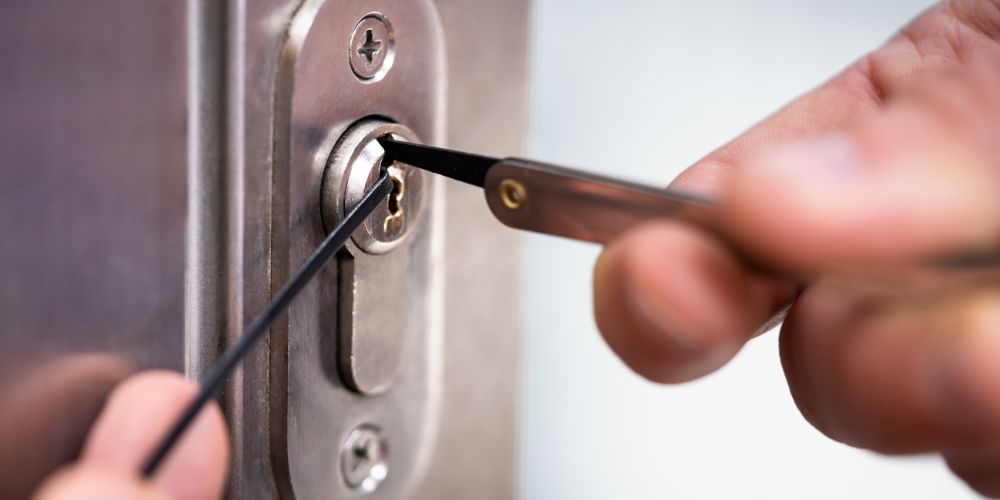
Locked out of your own house? Lost your keys again? Or maybe you just moved into a new home and you’re not sure who had copies of the old keys. These are the times when calling a residential locksmith is the quickest and safest solution.
A lot of people wait too long to call a locksmith. They try to fix the lock themselves, or they just live with a broken door handle for months. But a good locksmith can save you time, money, and stress. In this post, we’ll walk you through exactly when you need to make that call, what happens when the locksmith arrives, and how to pick the right one for your home.
What Does a Residential Locksmith Actually Do?
A residential locksmith works on the locks and security systems in homes, not offices or cars. Their job covers a lot more than just opening locked doors. Here’s a quick look at what they handle:
- Unlocking doors when you’re locked out
- Installing new locks
- Rekeying locks so old keys stop working
- Repairing damaged or stuck locks
- Replacing broken door handles and deadbolts
- Setting up smart locks and keyless entry systems
- Improving home security after a break-in
If your home’s locks or entry points need repair, replacement, or better security, a residential locksmith can handle the job.
7 Times to Call a Residential Locksmith
1. Locked Out of Your Home
The classic scenario: you walk out to grab the morning mail, the door latches behind you, and your keys are sitting on the counter.
Pro Tip: Don’t try to force the door open with a card or other tools. You could damage the lock or door. A locksmith can usually unlock it quickly without causing damage.
2. Moving Into a New Home
When buying a home or taking over a rental, you cannot track how many spare keys exist. Previous owners, realtors, cleaners, and contractors may still hold working copies.
- Rekeying (Cost-Effective): If your lock is still in good shape, the locksmith changes the inside of the lock so the old keys no longer work. You get a new key without replacing the whole lock.
- Replacing (Complete Swap): Necessary if existing locks are mismatched in finish, worn out, or under-grade.
3. Lost or Stolen Keys
If your keys are lost with something that has your home address, someone could use them to enter your home. Rekeying or replacing the locks right away helps keep your home safe.
4. Worn or Damaged Locks
If you have to wiggle, push, or lift your front door while turning the key, your lock assembly is failing. Common causes include:
- Door Frame Problems: Weather can cause the door frame to move, making the lock harder to use.
- Worn Parts: Small parts inside the lock wear out over time, making it difficult for the key to turn.
- Dirt or Rust: Dirt and rust can stop the lock from working smoothly.
Calling a locksmith at the first sign of stiffness prevents the key from snapping off inside the lock later.
5. Upgrading to Smart Locks
Installing a smart lock gives you more control over who can enter your home. Modern smart options allow you to:
- Issue temporary digital pin codes for guests, dog walkers, or contractors.
- Monitor entry/exit logs directly from your smartphone.
- Auto-lock doors on a timer so you never wonder if you locked up at night.
6. After a Break-In
If a door has been kicked in or forced, the weakest link is rarely the deadbolt itself it’s usually the wooden door jamb and the tiny 3/4-inch screws holding the strike plate to the soft pine frame. A locksmith can repair the damage and install heavy-duty, 3-inch screws that anchor directly into the structural wall studs, making the door exponentially harder to kick in.
7. A Key Broke Off Inside the Lock
This happens more than you’d think, especially with older keys. Trying to pull it out yourself with pliers or tweezers usually makes it worse. A locksmith has the right tools to remove the broken piece without damaging the lock.
What to Expect During the Visit
Knowing what happens during the visit can take away a lot of the stress. Here’s a simple breakdown.
| Step | What Happens |
|---|---|
| 1. Verification | The locksmith may ask for ID or proof of address to confirm it's really your home. This protects you, not just them. |
| 2. Inspection | They look at the lock or door to figure out the best way to fix the problem. |
| 3. Quote | A reliable locksmith explains the cost before any work begins. |
| 4. The Fix | They open the door, replace the lock, rekey it, or repair whatever is broken. |
| 5. Testing | They test the lock a few times to make sure it works smoothly. |
| 6. Payment | You pay once the job is done and you're happy with the result. |
Most lockouts and basic lock repairs are completed within 15 to 45 minutes, depending on the situation. Bigger jobs, like installing several new locks or a full smart lock system, can take a couple of hours.
How to Choose the Right Locksmith
Not every locksmith is the same, and picking the wrong one can cost you more in the long run. Here’s what to look for.
- Check for licensing and insurance: A licensed locksmith has passed the training needed to do the job right. Insurance protects you if something gets damaged during the work.
- Read real reviews: Look at recent reviews, not just the overall star rating. Pay attention to how the locksmith handled problems, not just the good experiences.
- Ask for a price before they start: A trustworthy locksmith always tells you the cost upfront. If someone won’t give you a number until after the job is done, that’s a red flag.
- Look for local experience: A locksmith who knows your area understands the common lock types and security needs in local homes.
- Avoid rock-bottom prices: Extremely low prices can sometimes lead to unexpected charges later. Some locksmiths quote a low price on the phone, then charge much more once they arrive.
Signs You Should Not Wait to Call
Some situations need a locksmith right away, no matter what time it is.
- You just discovered signs of a break-in
- Your front door won’t lock at all
- You’re locked out at night, alone, or in bad weather
- A key snapped off inside your lock
- Someone you no longer trust still has a key to your home
In these cases, look for a 24 hour residential locksmith. Many companies offer emergency service any time of day or night.
How to Prevent Future Lockouts
Simple precautions can help reduce the chances of future lock problems.
- Keep a spare key with a trusted neighbor or family member, not under the doormat.
- Consider a keyless entry system so you never have to carry keys.
- Get your locks checked once a year, especially before winter when cold weather makes locks stiffer.
- Label your keys clearly so you’re never guessing which one opens what.
- Rekey your locks anytime you move, lose a key, or end a relationship where someone had a copy.
Final Thoughts
Your home should be your safest sanctuary, and your locks are the primary line of defense protecting your family and valuables. A professional residential locksmith is far more than someone who helps when you’re stranded on the front porch they are dedicated security specialists who keep your property fortified, functional, and hassle-free. Whether you are dealing with an urgent lockout, settling into a new house, or upgrading to keyless smart technology, relying on experienced professionals ensures the job is executed correctly without causing costly structural damage to your doors or hardware. Proactive security maintenance gives you complete control and confidence over who has access to your living space.
Don’t wait for a stuck key, a dragging latch, or a compromised cylinder to turn into an expensive emergency. Upgrading your entry points and addressing small lock issues early saves you time, stress, and unnecessary repair costs down the road. If you’re currently locked out, looking to rekey your new home, or ready to elevate your home security, feel free to Contact Us at Best Locksmith today. Our team of certified technicians is standing by to provide fast, reliable, and transparent service tailored to your home’s unique safety needs.