

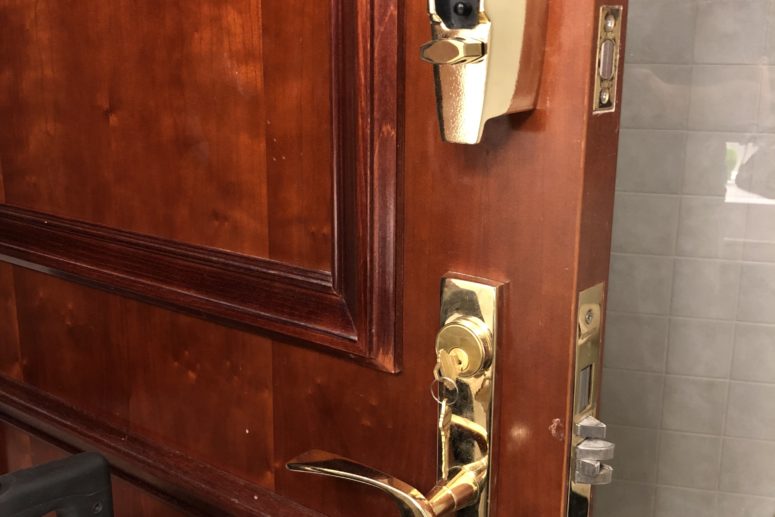
Your front door plays an important role in keeping your family and belongings secure. But not every lock does the same job. Some are cheap and easy to break. Others are strong and hard to pick. So how do you pick the best lock for home security without wasting money?
When you turn your key at the end of a long day, you want to feel an instant sense of relief and safety. Unfortunately, many homeowners treat their door hardware as an afterthought, something that just comes standard with the house. Home security has improved over the years, and older or basic locks may no longer provide the protection they once did.
With so many lock options available, choosing the right one can be confusing. With countless ratings, brands, and mechanical vs. digital options staring back at you, it’s easy to accidentally buy a lock that looks pretty but offers little actual protection. Choosing the right lock doesn’t have to be complicated, but it’s important to understand your optio
Why Your Lock Choice Actually Matters
Think about it this way. A weak lock may seem reliable, but it offers little protection against forced entry. Robberies often happen through doors, not windows. In fact, many burglars walk right through an unlocked or poorly locked door because it’s the easiest way in.
A good lock does three things:
- Slows down anyone trying to break in
- Keeps your family and pets safe inside
- Helps you feel more confident that your home is secure while you’re away.
That’s why picking the right door lock is not something to rush. It’s one of the smartest home upgrades you can make.
1. Deadbolts
A deadbolt is the gold standard for home security. Unlike a regular knob lock, it doesn’t have a spring mechanism. This means it cannot be forced open with a simple push, a metal bar, or the classic credit card trick. Because the bolt extends deep into the door frame, it provides excellent resistance against physical force. Most locksmiths recommend installing a high-quality deadbolt on every exterior door.
Look for a Grade 1 or Grade 2 deadbolt rating. These official grades tell you exactly how durable and strong the lock is against attacks. Grade 1 offers the toughest protection and is often used in commercial buildings, but it works wonderfully at home for maximum security. Grade 2 is the standard for high-quality residential security.
- Best For: Front doors, back doors, garage entry doors, and any exterior entryway.
- Key Advantage: Incredible resistance to blunt force, tampering, and physical bypass techniques.
- What to Look For: Solid brass or steel construction and a bolt that extends at least 1 inch into the door frame.
2. Knob Locks
Knob locks are incredibly common, but they should never be used as your only lock on a front or back door. Why? Because the locking components sit entirely inside the round knob itself rather than deep inside the door structure. This structural setup makes them highly vulnerable; a burglar can easily snap, smash, or wrench the knob off with basic household tools like a hammer or channel locks, instantly exposing the lock mechanism.
Instead, keep knob locks strictly inside your living space. They are perfect for providing privacy where high-level physical security isn’t necessary.
- Best For: Interior doors like bedrooms, bathrooms, home offices, and pantry doors.
- Key Advantage: Very budget-friendly, simple to install, and easy for everyone in the family to operate.
- Security Warning: Never rely on a standalone knob lock to protect an outside door; always pair it with a strong deadbolt.
3. Smart Locks
Smart locks have become increasingly popular because they offer added convenience and security features. They add modern features such as keyless entry and remote access to traditional locking systems. With a smart lock, you can lock and unlock your door seamlessly using your phone, a keypad, or even your fingerprint. They allow you to create temporary access codes for dog walkers, house guests, or contractors without ever needing to hand over a physical key. Many modern models also connect to your home automation system, sending real-time alerts to your phone whenever someone opens the door.
The downside? They rely heavily on technology. They require battery power and sometimes a steady Wi-Fi connection to use all their remote features. If the batteries die or the app encounters a temporary glitch, you need to be prepared.
- Best For: Busy households, rental properties, tech-savvy homeowners, and active families.
- Key Advantage: Convenient keyless access with the ability to monitor who enters your home.
- Pro Tip: Choose a smart lock model that features a physical key override slot so you can still get inside if the electronic components fail.
4. Padlocks
Padlocks are unique because they are completely portable and not permanently attached to your door. They are designed to secure two objects together using a sturdy U-shaped shackle that loops through a latch, chain, or hasp. While they are incredibly useful for outdoor structures, they are not secure enough or practical for your main residential entry doors.
If you use a padlock outside, always invest in a heavy-duty, weatherproof model. Standard indoor padlocks will rust quickly when exposed to rain and humidity, causing the internal pins to seize up or weaken over time.
- Best For: Backyard gates, detached storage sheds, toolboxes, and storage units.
- Key Advantage: Highly portable, versatile, and easy to move from one location to another as your storage needs change.
- What to Look For: A hardened steel shackle that resists bolt cutters, paired with a protective weather cover over the keyhole.
5. Mortise Locks
You will often find mortise locks on older historic homes, high-end custom properties, or exceptionally heavy wooden and metal doors. Unlike standard modern locks that fit into a simple circular hole drilled through the face of the door, a mortise lock requires a deep, rectangular pocket to be carved directly into the edge of the door body. This design places the lock mechanism inside the door, providing greater strength and resistance to forced entry.
Because they combine a heavy-duty deadbolt and a latch into a single unified housing, they offer top-tier strength. If your home already has classic or vintage doors with this setup, it is highly recommended to keep them in good shape rather than replacing them.
- Best For: Heavy architectural wood doors, classic vintage properties, and high-security front entrances.
- Key Advantage: Exceptional structural strength and an elegant, timeless appearance that elevates curb appeal.
- Keep in Mind: They require professional installation and precise woodworking skills, making them more expensive to service or install from scratch.
What Makes a Lock Ideal for Your Home
The best lock depends on your home’s security needs and preferences. The right pick depends on a few things.
- Your door material: Wood, metal, and fiberglass doors all handle locks differently. A heavy metal door can support a solid deadbolt without issue. A thin wood door might need extra reinforcement around the strike plate.
- Your neighborhood: If you live in a busy area or have had break-in attempts nearby, go for a higher security grade. It’s better to spend a bit more now than deal with a break-in later.
- Who lives with you: Families with kids often like keyless entry so nobody gets locked out. Renters may want something they can swap out easily when they move.
- Your budget: You don’t need to spend a fortune. A solid Grade 2 deadbolt already gives strong protection for most homes.
Signs You Need to Change Your Lock
Not sure if your current lock is doing its job? Watch out for these warning signs:
- The key sticks or feels loose when turning
- You moved into a new home and don’t know who else has a key
- The lock is old, rusty, or visibly worn
- You’ve had a break-in attempt, even if it failed
- You lost a key recently
If any of these sound familiar, it’s time for an upgrade. Delaying replacement may reduce your home’s overall security.
Common Mistakes People Make
Even good locks fail when they’re installed or used the wrong way. Here are mistakes to avoid:
- Skipping the strike plate upgrade: A strong lock with a weak strike plate is still easy to kick in. Use a reinforced strike plate with long screws that reach the door frame.
- Buying based on looks only: A shiny lock isn’t always a strong one. Check the security grade, not just the finish.
- Forgetting the back door: Many people lock the front door tight but leave the back door with an old, weak lock. Burglars know this trick too.
- Not rekeying after moving in: If you bought or rented a new place, change the locks. You never know how many old keys are floating around.
How a Professional Locksmith Can Help
With so many brands and security ratings available, choosing the right lock can be difficult. A trained locksmith can look at your doors and tell you exactly what fits your home and your budget. They can also:
- Install deadbolts correctly so they line up with the doorframe
- Rekey locks after a move so old keys stop working
- Upgrade your strike plates for extra strength
- Set up smart locks the right way, avoiding common glitches
- Fix locks that are sticking, loose, or broken
Getting it installed right matters just as much as picking the right lock. Even a high-quality deadbolt won’t perform well if it’s installed incorrectly.
Final Thoughts
Selecting the right lock is an important step, but proper installation is equally important. Proper installation is what actually keeps intruders out. A misaligned deadbolt or a strike plate secured with short, flimsy screws can turn an expensive lock into an easy target for a break-in. By working with seasoned security experts, you ensure that every component is perfectly aligned, reinforced, and structurally sound, giving your entryways the maximum possible defense.
Replace worn or outdated locks before they become a security concern. Contact us today at Best Locksmith to schedule a professional home security consultation or lock upgrade. Our friendly, licensed team is ready to help you evaluate your doors, select the perfect high-grade locks for your budget, and deliver flawless installation for lasting peace of mind.




