

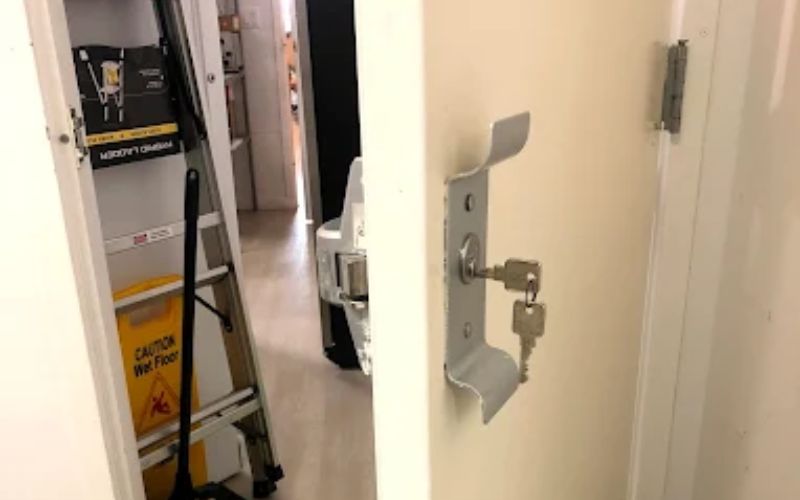
A broken key inside a lock can leave you locked out and unsure what to do next. Half the key is left in your hand, while the other half remains tightly wedged deep inside the lock cylinder. It is an incredibly frustrating situation that always seems to happen at the absolute worst possible moment, leaving you feeling instantly stranded and stressed.
In many cases, you can remove the broken key yourself before calling a locksmith. If the key cannot be removed safely, learn how much a locksmith costs before scheduling professional assistance. In many instances, you can successfully extract that broken piece yourself using simple household items you likely already own. This comprehensive guide will walk you through the safest DIY extraction methods, help you avoid critical mistakes that could ruin your lock, and outline exactly when it is time to call in a professional.
Why Do Keys Break Inside Locks?
Keys don’t just snap for no reason. These are the most common causes:
- Old or worn-out key: Keys get weak over time, especially if they’ve been copied multiple times.
- Forcing the key: Turning too hard when the lock is stiff can cause a snap. Turning too hard when the lock is stiff can cause a snap. If your key won’t turn in a lock, it’s best to fix the underlying issue instead of applying more force.
- Wrong key angle: Putting pressure on the key while it’s not fully lined up.
- Cold weather: Metal contracts in cold temperatures, making locks tighter and keys more brittle.
- Rusted or dirty lock: A lock that hasn’t been lubricated in years adds too much resistance.
7 Ways to Remove a Broken Key
Method 1: Use Needle-Nose Pliers
If even a small piece of the key is sticking out past the edge of the lock cylinder, grab a pair of needle-nose pliers. Grip the key firmly and pull it straight out no twisting, no yanking at an angle.
Success rate: High, if there’s a visible key exposed.
Method 2: Use a Key Extractor
A broken key extractor is a small, cheap tool made exactly for this job. You can find one at any hardware store. It has small hooks or teeth that catch the grooves of the key blade.
How to use it:
- Insert the extractor hook into the keyway, besides the broken key piece.
- Hook the teeth onto the key’s serrated edge.
- Pull the extractor out while applying steady pressure.
A broken key extractor is one of the most effective tools for removing stuck key fragments.
Method 3: Use Bobby Pins
No extractor tool? Two bobby pins can work in a pinch.
- Bend one pin into a small hook shape.
- Insert both pins on either side of the broken key.
- Try to grip the key between them and pull it out slowly.
This method may work if the key isn’t tightly lodged, but it requires a steady hand.
Method 4: Try Super Glue
This method works only if the broken key piece is sitting very close to the face of the lock, not pushed deep inside.
- Apply a tiny drop of super glue to a thin stick or the matching piece of the broken key.
- Hold it against the broken fragment for 60 seconds.
- Once the glue sets, gently pull straight out.
Warning: If the glue gets into the lock mechanism, you could cause serious damage. Use this as a last resort only.
Method 5: Use a Jigsaw Blade
A thin jigsaw blade can act like a makeshift extractor. The small teeth on the blade can catch the broken key’s grooves.
- Insert the blade into the keyway with the teeth facing outward.
- Push it alongside the broken piece.
- Hook the key’s edge and pull outward.
This works well for pin tumbler locks (standard door locks) where there’s enough space inside the keyway.
Method 6: Push the Key Out
Some locks like padlocks and a few deadbolts have a keyway that goes all the way through the cylinder. In those cases, you might be able to push the broken key out from the back using a thin pin or nail.
This only works if:
- The lock cylinder is removable or accessible from both sides.
- The key fragment isn’t wedged at an angle.
Method 7: Lubricate the Lock
Sometimes the key is stuck because of friction, rust, or dirt. Before trying any extraction method, spray a little WD-40 or graphite lock lubricant into the keyway. Wait 30 seconds. The lubrication reduces friction and can make the key fragment slide out much more easily.
Which Method Should You Use?
| Method | Tools Needed | Difficulty | Best For |
|---|---|---|---|
| Needle-nose pliers | Pliers | Easy | Key sticking out |
| Key extractor tool | Extractor kit | Easy | Deep fragments |
| Bobby pins | 2 bobby pins | Medium | No tools available |
| Super glue | Glue + thin stick | Hard | Near-surface fragments only |
| Jigsaw blade | Thin saw blade | Medium | Pin tumbler locks |
| Push from the back | Pin or nail | Easy | Pass-through cylinders |
| Lubrication + pull | WD-40 or graphite | Easy | Stuck due to rust/dirt |
What NOT to Do
Some common mistakes can make removing the key much more difficult. Avoid these common mistakes:
- Don’t use a screwdriver to pry: This can damage the lock cylinder, turning the fix into a lock replacement.
- Don’t drill the lock yourself: Unless you know exactly what you’re doing, drilling destroys the lock. Leave that to professionals.
- Don’t spray too much WD-40: It can attract dirt and gum up the lock over time. Use it sparingly.
- Don’t keep turning the key stub: Even small turns push the fragment deeper.
How to Prevent a Broken Key in the Future
Regular maintenance can help reduce the chances of another broken key. Here’s how to keep your keys and locks in good shape:
- Replace old or bent keys: If your key looks worn or bent, get a copy made before it breaks.
- Lubricate your locks twice a year: Use graphite powder or a lock lubricant spray. Avoid oil-based lubricants like cooking oil, which attract grime.
- Never force a key: If the lock is stiff, find out why before you apply more pressure.
- Use quality key copies: Cheap key blanks wear out faster. Ask for quality duplicates at a trusted locksmith or hardware store.
- Check your locks regularly: A lock that feels stiff or scratchy is a warning sign.
Conclusion
While trying a DIY extraction can save the day, some key fragments remain stubbornly wedged deep inside the cylinder. Forcing a broken piece or using the wrong tools risks damaging the internal pins, which converts a simple extraction into an expensive lock replacement. If your troubleshooting steps do not yield quick results, it is always safest to hand the job over to an experienced professional. Before hiring someone, review these things to check before hiring a locksmith so you can choose a qualified and trustworthy professional.
If you are dealing with a stressful lockout anywhere in the Miami Beach area, contact us at Best Locksmith for immediate relief. Our fully certified mobile technicians arrive with professional-grade extractor kits to cleanly pull broken keys from front doors, heavy-duty deadbolts




