

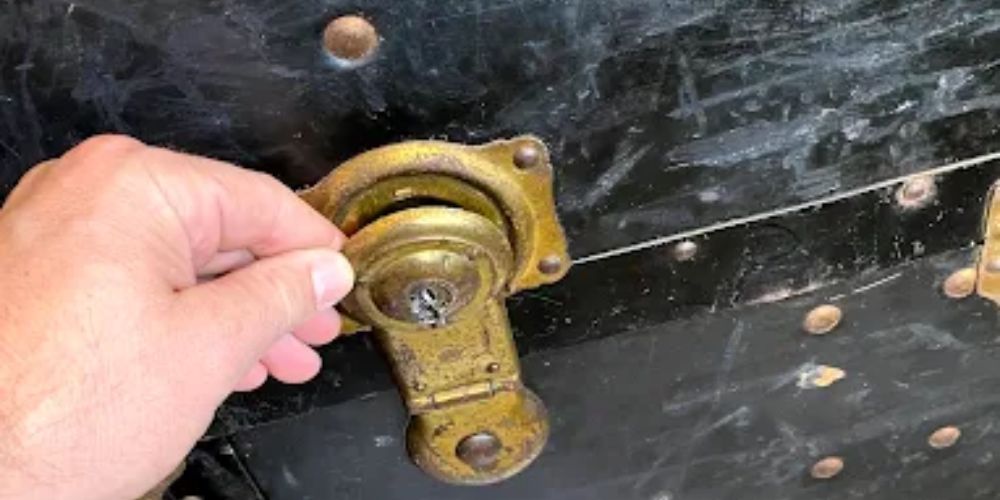
Living by the sea will cause rust. Metals will become wet and will cause rust to occur over time. Although your door locks will not rust as quickly as other items.
Usually locks are not maintained unless they start to cause problems. However, simple maintenance can be done in Miami Beach to prevent any issues from occurring. Discover why your locks are causing damage and how to help.
Why Your Locks Are Causing Damage Quickly
As Miami Beach is on the water, salt particles are present in the air. This cannot be seen but will settle on everything, including door hardware. Salt will cause more moisture to build up on the metal and the high temperatures and humidity will cause more damage. Steel will cause rust. Although, brass and zinc will not cause rust, they will cause corrosion which will usually appear as a green or white build up.
Inside of the lock, corrosion can cause issues. As the lock is tight and made up of small parts, even minimal corrosion can cause your key to be stiff. If left to cause issues, your lock can jam completely.
Signs Your Lock is Causing Issues
Usually locks will provide some signs that they are causing issues. These include:
- Orange or brown stains on the handle, deadbolt or strike plate
- Stiff or bumpy key
- Latch does not fully return
- White or green build up around the keyhole
- Stiff turning of the knob
- Stained or loose screws
If you can relate to two or more of these issues it is worth trying to fix them. Surface rust will usually be wiped off easily. However, if you have deep rust then repair of a lock in Miami Beach is often required as you may have to take the lock apart. Some parts may not be salvageable.
Preventative Measures
You will not need any specialist tools, just regular maintenance.
- Weekly or fortnightly wipe the handle and body of the lock using a soft dry cloth.
- Monthly wipe using a damp cloth to remove salt. Ensure to dry thoroughly.
- Every few months add a little dry lubricant such as Graphite powder into the keyhole. Check with your lock maker first as some brands need to use a specific product.
- If the keyhole feels stiff then blow out using compressed air.
- Tighten any loose screws. This will prevent moisture from getting trapped behind the plate.
- Touch up any chipped areas with a clear coat or matching paint. Small scratches can cause rust to form.
Simple Maintenance Schedule
To help you remember, set yourself a reminder on your phone. Below is a simple schedule.
| Task | Frequency | Tools |
|---|---|---|
| Wipe handle and body | 1-2 Weekly | Soft dry cloth |
| Wipe with damp cloth and dry | Monthly | Cloth and towel |
| Lubricate keyhole | Every 3 Months | Dry Lubricant |
| Check screws and strike plate | Every 3 Months | Screwdriver |
| Full lock check | Yearly | Eyes or professional |
Things to Avoid
Some quick fixes can actually worsen the issue. Avoid using:
- Bleach or harsh chemicals. This will cause the finish to wear.
- WD40 as your only lubricant. It will push water away but won’t last long.
- Spray the lock. A little goes a long way.
- Paint over the latch or keyway.
- Ignore small spots of rust.
Choosing a Lock That Can Handle Salt
Cheaper locks often use thin steel plating or basic zinc. This will cause them to wear quickly when near salt water. Higher quality locks will use stronger metals and finishes. Whilst price can be an indicator, you should always check the label. If it mentions anything such as corrosion resistant, marine grade or weather rated then you know it will be a good option.
If you are thinking about replacing your locks in Miami Beach then it is worth spending a little more. Whilst they will cost more initially you will not have to replace them in a couple of years.
| Material | Salt Resistant | Notes |
|---|---|---|
| Marine Grade Stainless Steel (316) | Very High | Great option for doors facing the water |
| Solid Brass | High | May tarnish but will last well |
| PVD Coated Finish | High | Outer coating protects the metal |
| Zinc Alloy | Medium | Good for inland but will wear quicker near the ocean |
| Steel | Low | Will cause quick rust in salt air |
Other Locks
Often people will focus on their front door, however gate latches, sliding doors, balcony doors and mailbox locks will all be in the same salty air. Pool areas will cause more issues as chlorine will cause more damage. These areas will benefit from being rinsed with fresh water every couple of weeks.
Smart locks will also have some issues. Whilst the internal electronics are sealed, the battery compartment and emergency key slot can cause corrosion. When changing the batteries check the battery compartment. If there is white dust then gently wipe and ensure to dry well. If you are unsure what you are looking at then ask a locksmith in Miami Beach to check both the mechanical and electronic parts.
Tips for Homes and Condos in Miami Beach
Many homes and condos are close to the water. Balcony doors, sliders and front doors facing the ocean will get sprayed with salt almost daily. If your door does not have an overhang then the salt will land directly on the door. Adding a small awning or covered entrance will help more than expected.
During storm season salt water can be blown onto the doors after heavy winds or rain. Rinse the hardware using fresh water and dry. If your lock is already stiff then usually it will be cheaper to get a simple lock repair done early.
Should I Repair or Replace?
Not all rusty locks will need to be thrown away. Below is a general guideline.
Repair:
- Surface rust only
- Key still turns but is stiff
- Screws and plates look fine
Replace:
- Key is stiff, bent or will not turn
- Cylinder feels crunchy
- Rust has caused issues with the metal
- Lock is 7-10 years old and looks worn
If the lock still works but you would like new keys then re-keying may be enough. If the hardware is worn then it is safer to replace. A new lock will have a better finish and should last longer.
Your Doors in Miami Beach Can Last Longer
Whilst the salty air will never go away, by wiping with a cloth, using fresh water and spending a little time each month can make a big difference. Choosing better materials when replacing your locks, using the correct lubricant and paying attention to when your key starts to feel different.
Most issues with locks will start small. A stiff key can cause issues in the future so it is usually cheaper to fix early. If you would like a second opinion then a locksmith in Miami Beach will usually be able to tell you quickly if it needs a simple clean or full replacement.
Lock Is Becoming Stiff?
If your lock is feeling bumpy or has orange stains then get it checked. A technician can clean, repair or replace if needed. Contact Best Locksmith and let us know what is happening with your door in Miami Beach.


