

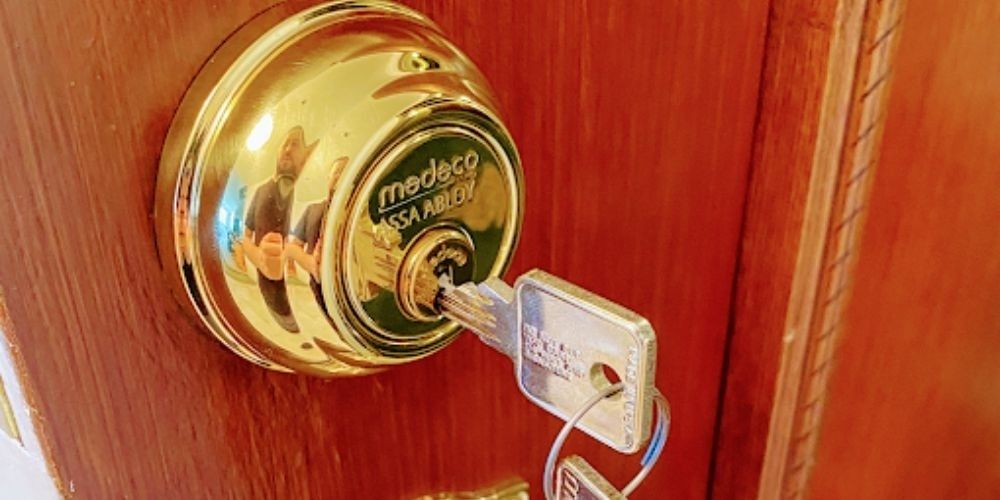
A stiff lock or a key that won’t turn usually means one of two things. Either it needs a quick fix, or it’s telling you it’s time for a new one. Both jobs solve the same immediate problem, but they don’t cost the same, and they don’t fix the same underlying issue.
There isn’t a single answer that works for every situation. It depends on the age of your lock, how bad the damage is, and what you actually need the lock to do. A lock that’s just stiff from years of use is a different case than one that’s cracked or missing keys floating around, and knowing which one you’re dealing with makes the next step a lot easier.
Signs Your Lock Just Needs a Repair
A repair is usually the cheaper and faster fix. It also means less waste, since you’re not throwing out hardware that still has some life left in it. Here are the most common signs a repair will do the job:
- The key sticks or turns hard, but it still locks and unlocks eventually
- The deadbolt is stiff or slow, not fully stuck
- There’s a bit of rust or dirt buildup inside the mechanism
- The strike plate is loose or slightly misaligned with the door frame
- The lock is newer, maybe under 3 to 5 years old, and otherwise in good shape
- A screw or pin inside has come loose but the housing is intact
If your lock matches a few of these, a locksmith can usually clean, lubricate, or adjust the internal parts and have you back in business within the hour. Repairs also tend to be a smart move right after a break-in attempt, when the lock still functions but the housing took a hit.
Signs You Need a Full Lock Replacement
Sometimes a lock is just done. Trying to patch it up at that point is a waste of time and money. Watch for these red flags:
- The key snaps off inside the cylinder more than once
- The lock body is cracked, bent, or visibly damaged from forced entry
- You’ve lost track of who has copies of the key, like after moving into a new place
- The lock is old, worn smooth, and parts are hard to source
- You want to upgrade to a smart lock or a higher security grade
- The bolt doesn’t fully extend into the frame anymore, even after adjustment
If you’ve just moved into a new home, replacement is usually the safer bet over repair. You have no idea how many keys are floating around from past tenants or owners, and a fresh lock removes that risk completely. Our licensed residential locksmiths handle this kind of situation often, especially for new homeowners who want peace of mind on day one.
Cost Comparison: Repair vs. Replacement
Price is usually the deciding factor for most people. Here’s a rough breakdown of what each option tends to cost, though your final price will depend on the lock brand and where you’re located.
| Factor | Lock Repair | Lock Replacement |
|---|---|---|
| Average cost | $40 to $90 | $75 to $250+ |
| Time needed | 15 to 45 minutes | 30 to 90 minutes |
| Best for | Minor stiffness, worn pins, loose strike plate | Broken keys, forced entry damage, security upgrades |
| Long-term value | Good if lock is newer | Better if lock is old or low quality |
| Security level after | Stays the same | Can be upgraded |
Keep in mind that a cheap repair on an old, low-grade lock might just delay the inevitable. Sometimes spending a bit more on a replacement now saves you a second service call in six months.
What Actually Affects the Decision
Age and damage aren’t the only things that matter here. A locksmith looks at the whole picture before making a recommendation, not just the one part that’s acting up. A few things tend to tip the scale:
- Door type: A solid wood or steel door can support a heavier, higher security lock, while an older or hollow door might limit your options
- Salt air and humidity: If you live anywhere near the coast, corrosion wears down metal hardware faster than it would inland, so rust or a gritty bolt often means replacement is coming sooner than you’d like
- Who has a key: If you’ve handed out spare keys to neighbors, dog walkers, or old roommates, replacement gives you a clean slate
- How the lock is actually behaving: If it’s just wear and tear from daily use and nothing feels unsafe, a repair is often all you need, since the mechanism itself isn’t the real problem
- What you want going forward: If you’re thinking about a smart lock or a higher security grade anyway, it makes sense to replace now instead of repairing something you’ll swap out later
Rekeying vs. Replacing: A Quick Note
People often confuse rekeying with replacing, but they’re not the same thing. Rekeying means the locksmith changes the internal pins so your old keys stop working and new ones are cut, but the lock hardware itself stays exactly where it is. Replacing means the whole unit, inside and out, gets swapped for a new one.
Rekeying is usually the cheaper middle ground. It solves the “who has a copy of my key” problem without the cost of new hardware, and it works well if your current lock is in decent shape. Rekeying is common among people moving into a new place who don’t want to replace every lock on the property but still want control over who can get in. Most rekeying services can be done on the spot, so you’re not waiting days to feel secure in a new home.
When to Call a Professional
Some of this you can judge on your own, but a trained eye catches things most people miss. Here’s when it makes sense to get someone out to look:
- You’re not sure if the issue is the lock or the door frame itself
- The lock was tampered with or shows signs of an attempted break-in
- You want a security grade upgrade, like moving to a Grade 1 or Grade 2 rated lock
- You’re locked out completely and can’t get in to check the damage yourself
- You manage a rental or commercial property and need locks that meet code
For urgent situations, especially after a break-in or when you’re stuck outside, it’s worth reaching out to an emergency locksmith rather than trying to force anything open. Forcing a stuck lock often turns a simple repair into a full replacement job.
Making the Right Call for Your Home
Look at what’s actually broken and go from there. If the lock is just stiff, slow, or a little worn, repair it and save the money. If keys are missing, the hardware is cracked, or you just don’t trust who might have access, replace it and stop worrying about it.
If you’re still not sure which way to go, a quick inspection from a locksmith usually clears it up in minutes. Give our team a call and we’ll take a look, tell you honestly whether a repair will hold up or if replacement is the smarter move, and give you flat, upfront pricing before any work starts.