

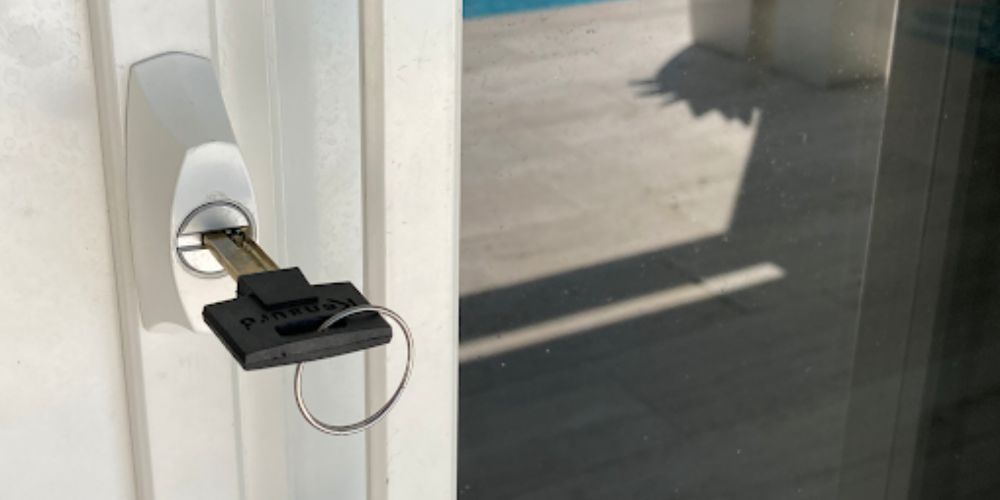
Moving into a new home is an exciting milestone. You get the keys and start making the house your family’s home.Before you unpack, change or rekey your locks. It is one of the first things you should do after buying a house. You do not know how many spare keys exist or who still has them. Previous owners, neighbors, agents, or contractors may still have a copy. Changing your locks on day one helps keep your family and home safe.
Keeping your new home safe does not have to be difficult. You can rekey your current locks or install new smart locks. Knowing your options makes the decision easier. This guide explains why you should change your locks, compares rekeying and replacing, covers the costs, and shares simple tips to keep your home safe.
Why Change Your Locks?
When you buy a house, the seller gives you a set of keys at closing. It may seem like only you have access to the house. But those are not always the only keys.
Over the years, many people may have had a copy of your house key. Here are the main reasons to change or rekey your locks.
1. Previous Owners May Still Have Keys
Even honest owners may forget they still have a spare key. Family members or old roommates may also have spare keys.
2. Contractors, Cleaners, and Service Workers
Before a home goes on the market, sellers often hire people to fix up the property. Painters, plumbers, electricians, landscapers, and house cleaners may have been given keys to access the house while work was being done.
3. Real Estate Agents and Buyers
During the house-hunting process, multiple real estate agents, home inspectors, appraisers, and potential buyers visited the home. Many homes use a lockbox with a spare key during the selling process. During this time, keys can be copied, lost, or shared.
4. Neighbors and Friends
Many people give a spare key to a friend, neighbor, or pet sitter. When the house is sold, these spare keys are rarely tracked down and returned.
5. Peace of Mind
Your home should be the safest place for you and your family. Knowing someone else may have a key can make you feel unsafe. Changing your locks makes sure only you have access to your home.
Rekey vs. Replace Locks
When you decide to update your locks, you do not always have to buy brand-new hardware. You have two main options: rekeying your existing locks or replacing them completely.
These options work differently and have different costs.
What Is Rekeying?
Rekeying means keeping your current lock hardware on the door, but changing the small pins inside the lock cylinder. A locksmith changes the pins inside the lock so the old key no longer works.
You receive a new key that works with the updated lock. The old keys become completely useless.
- Pros: Less expensive, fast, retains your current handle styles and finish.
- Cons: Does not improve the physical strength or security grade of an old lock.
What Is Replacing Locks?
Replacing a lock means removing the old lock and installing a new one.
- Pros: You get new locks, better security, and a new look for your doors.
- Cons: Costs more money per door, takes more time to install.
Rekeying vs. Replacing Locks
To help you decide which choice fits your budget and needs, here is a quick side-by-side comparison:
| Feature | Rekeying Existing Locks | Replacing Lock Hardware |
|---|---|---|
| What Changes? | Only the internal pins and the key | The entire lock, handle, and hardware |
| Old Keys Work? | No | No |
| Average Cost | $20 – $50 per lock cylinder | $50 – $300+ per lock set |
| Time Needed | 10 to 15 minutes per lock | 20 to 40 minutes per lock |
| Hardware Style | Stays the same | You pick new styles and finishes |
| Security Upgrade | No (same lock physical strength) | Yes (you can buy higher-grade locks) |
| Best Used When | Locks are in great shape & high quality | Locks are old, broken, or outdated |
When to Rekey or Replace
Not every home buyer needs to buy expensive new lock sets. Here is a simple guide to help you choose between rekeying and replacing.
Choose Rekeying If:
- The locks work well: If they are strong and in good shape, rekeying can save money.
- All your doors use the same lock brand: A locksmith can rekey multiple locks (like Kwikset or Schlage) so that a single key opens your front door, back door, and garage entry door.
- You want to save money: Rekeying is usually half the cost of buying new lock hardware.
Choose Replacing If:
- The locks are old, rusted, or damaged: If a lock sticks, turns with difficulty, or shows wear and tear, it offers weak security against forced entry.
- You want smart locks or keyless entry: If you want to use a keypad, fingerprint scanner, or smartphone app, you need to replace your traditional locks.
- The locks do not match: If your front door has brass hardware, your side door has silver, and your back door has black, replacing them lets you match your hardware across the home.
- You want higher security: If the builder installed cheap, low-grade locks, replacing them with ANSI Grade 1 or Grade 2 deadbolts provides much better protection.
Types of House Locks
If you decide to replace your locks, you will find several lock styles on the market. Understanding these types will help you choose the best hardware for your front, back, and side doors.
1. Single-Cylinder Lock
This is the standard lock found on most residential exterior doors. It features a keyhole on the outside and a thumb-turn knob on the inside. Deadbolts offer solid physical resistance against kicks and force.
2. Double-Cylinder Lock
These deadbolts require a key to lock and unlock from both the outside and the inside. They are often used on doors with glass windows nearby so an intruder cannot break the glass and reach inside to turn the knob.
3. Smart Locks
Smart locks are growing in popularity among new homeowners. You can unlock them with a code, fingerprint, or phone. You can give guests a temporary code and check your lock from your phone.
4. Knob & Handle Locks
A locking door knob alone is not enough for an outside door. A simple door knob lock can often be forced open easily. Always pair an exterior handle set or knob with a sturdy deadbolt.
Extra Home Security Steps After Moving In
Changing your door locks is the most vital step, but you should also take these additional actions to keep your new home safe:
- Secure Sliding Glass Doors: Sliding patio doors are easy targets for intruders. Place a wooden dowel or a security bar in the bottom track to prevent the door from being forced open.
- Check Window Locks: Walk through your house and verify that every window lock latches securely, especially on the ground floor.
- Change Garage Door Opener Codes: Reset your garage door opener and remove old remotes. Then add your own remotes again.
- Update Alarm & Smart Device Passwords: If your home comes with a pre-installed security system, video doorbell, or smart thermostat, perform a factory reset and set up your own master user account and password.
- Upgrade Strike Plates and Screws: Standard lock strike plates are attached using short 3/4-inch screws. Replace these with 3-inch steel screws that reach deep into the wooden wall studs behind the door frame. This single step makes your door significantly harder to kick in.
Final Thoughts
Changing your locks after buying a house is one of the best ways to protect your home. Doing it right away helps stop unwanted access and gives you peace of mind from your first night. Whether you rekey your locks or install smart locks, securing your doors should be your first home improvement project.
If you are ready to secure your new property, don’t leave your door security to chance or spend hours struggling with DIY installation kits. Contact Us at Best Locksmith today to schedule a fast, professional lock evaluation or rekeying service. Our locksmiths will secure your doors and make sure your locks work properly, so you can enjoy your new home with confidence.