

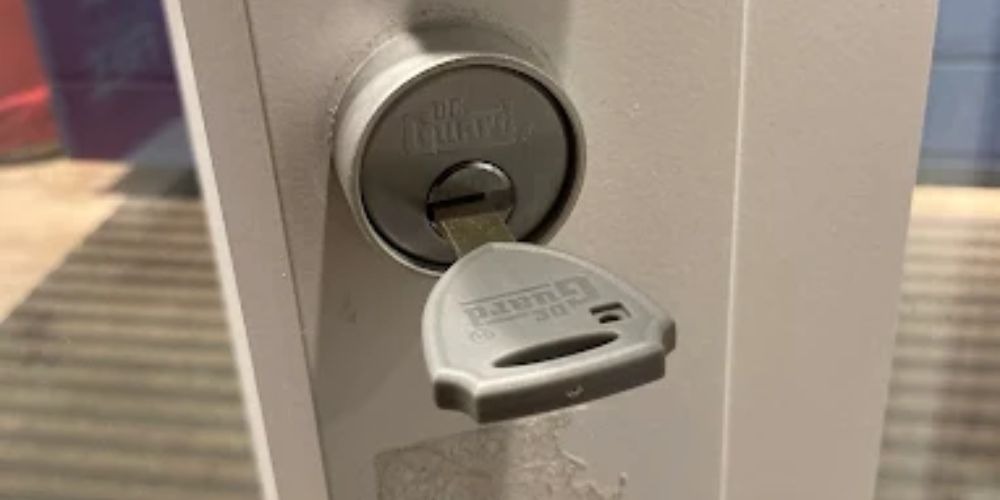
You just got the keys to your new house. Congratulations, that part is done. Now comes a task a lot of new homeowners skip without realizing why it matters. Rekeying your locks is not glamorous, but it is one of the smartest moves you can make in your first week in a new home.
Here is the problem nobody tells you about. You have no idea who else out there still has a working key to your front door. Could be the last owner’s brother. Could be a contractor who did the kitchen remodel two years ago. You cannot ask for every copy back because you do not even know they exist.
Who Might Still Have a Key to Your House
Homes change hands and keys tend to stick around longer than people think. Before you assume it is just you and the seller, look at how many hands a house key can pass through over the years.
- The previous homeowners: they likely used the same key for years before selling
- Their extended family or close friends: often given a spare for emergencies
- A cleaning service that had a spare: kept for access during weekly visits
- Neighbors who fed the cat during trips: handed a key just for that one job
- Contractors, plumbers, or repair techs: left with access during longer repair jobs
- Real estate agents and showing assistants: used lockboxes or spare keys during listings
- An old roommate or tenant: copies rarely get collected when people move out
That is easily eight or more possible keys for one front door. Nobody keeps a list of who they handed a copy to five years ago, so you are left guessing.
Rekey or Replace? What Is the Difference
A lot of people searching “should I change locks when moving” assume rekeying and replacing are the same thing. They are not, and picking the wrong one can waste money.
Rekeying leaves your current lock hardware in place. A locksmith opens the cylinder, pulls out the small pins inside, and puts in a different set that only matches a brand new key. Your old keys go dead the moment this is done. The handle, the deadbolt, the finish on the door, none of that changes.
Changing the locks is a bigger job. It means pulling the whole lock out of the door and putting in a new one, hardware and all. People go this route when the old lock is worn out, damaged, or just outdated. It costs more, but sometimes it is the only real option.
Rekeying vs Full Lock Replacement
| Your Situation | What Fits Better |
|---|---|
| Lock works fine, no damage | Rekeying |
| You like the current hardware | Rekeying |
| Lock is rusted, stiff, or old | Replacement |
| Doors have mismatched lock brands | Replacement |
| You want smart lock upgrades | Replacement |
| Budget is tight | Rekeying |
| There was a break in or forced entry | Replacement |
Quick tip Rekeying is generally the more affordable option, since a locksmith is charging for labor and small parts instead of new hardware. If the lock still turns smoothly and looks fine, replacement is rarely necessary.
Warning Signs You Might Need New Locks, Not Just a Rekey
Sometimes rekeying will not cut it and you need to go straight to replacement. A few things to check the day you get the keys.
- Lock sticks, grinds, or is slow to turn : usually means worn internal parts, not just old pins
- Rust or corrosion on the visible metal : weakens the lock and rarely gets fixed by rekeying
- Seller cannot say how many keys were cut : a sign records were never kept properly
- House was a rental before you bought it : tenants often had keys cut without anyone tracking them
- Signs of a past break in on any door or frame : the lock may already be compromised or weakened
- Hardware is an old or discontinued brand : parts get harder to source as the lock ages
- You want every door keyed the same : easier with new matching hardware than mixed brands
Two or more of these and it is worth having a locksmith look before you decide.
How Rekeying a Lock Actually Works
The process is less complicated than it sounds. A locksmith takes the cylinder out of the lock, which is the round part that the key turns inside. Inside that cylinder sits a row of tiny pins, and the specific arrangement of those pins is what your old key was cut to match.
The locksmith removes that pin arrangement and drops in a new one, unique to a fresh key they cut for you on the spot. Then the cylinder goes back into your existing lock body. Most exterior door locks take somewhere between ten and twenty minutes each. A full house, front door, back door, maybe a side entry, can usually be finished within an hour or two, no new hardware required.
How to Choose a Locksmith After Moving
Finding a reliable locksmith is just as important as deciding whether to rekey or replace. Not every company handling lock work is a licensed locksmith, and it helps to know what actually separates a trustworthy one from the rest.
- Ask for licensing and insurance: protects you if something goes wrong on the job
- Check recent reviews, not just the star rating: patterns across reviews tell you more than a number
- Confirm pricing before they arrive: avoids surprise charges once the work is already done
- Look for a local locksmith, not a national call center: local companies tend to know regional lock brands better
- Ask if same day locksmith service is available: emergency locksmith services are useful if you are locked out or on a tight schedule
- Get a receipt or invoice: gives you something to reference if a lock fails later
A little research before you call saves you from overpaying or ending up with rushed, low quality work on something as important as your home’s security.
Cost to Rekey Locks After Moving
People searching for lock rekeying cost usually want a straight answer, so here is what actually drives the price up or down.
- Lock brand and type: some brands use simpler pin systems than others
- Number of locks on the property: rekeying a whole house costs more than a single door
- Local labor rates: pricing shifts depending on where you live
- Service call fees: many locksmiths charge separately for the visit itself
- Same-day or emergency requests: rush jobs usually cost more than a scheduled visit
Rekeying is generally the more budget friendly route compared to full lock replacement, since you are paying for labor and small parts rather than new hardware. For an exact quote, it is best to call and ask about pricing for your specific locks.
Other Things Worth Checking When You Move In
Rekeying handles the biggest gap, but it should not be the only security task on your list. A move is a natural time to look over the whole house with fresh eyes.
- Test every window lock, not just the doors: ground floor windows are common entry points too
- Check smoke detector batteries: previous owners may have left them dead or expired
- Walk around outside after dark: note dead spots in lighting near doors and windows
- Get the garage door code reset: old codes may still open the door remotely
- Compare a basic alarm setup against what is already installed: worth pricing before deciding
- Reset codes on any keypad or smart entry locks: old codes could still be active
- Say hello to a neighbor: they usually know things about the block you do not yet
None of this takes a whole weekend, but skipping it means finding out the hard way what you missed.
The Bottom Line on New Homeowner Locks
Nobody wants to think about strangers holding a key to where they sleep. But that is the reality with any home you did not build yourself. Rekeying closes that gap fast, and it does not touch your budget the way a full lock replacement would.
Once it is handled, you can stop wondering about it and get back to the parts of moving that actually feel good, like finally figuring out where the couch goes.
Ready to Rekey Your New Home?
A new house should feel like yours from day one, keys included. Best Locksmith can rekey every exterior door in a single visit, often the same day you call, so you always know exactly who is holding a key to your home. Contact today!


