

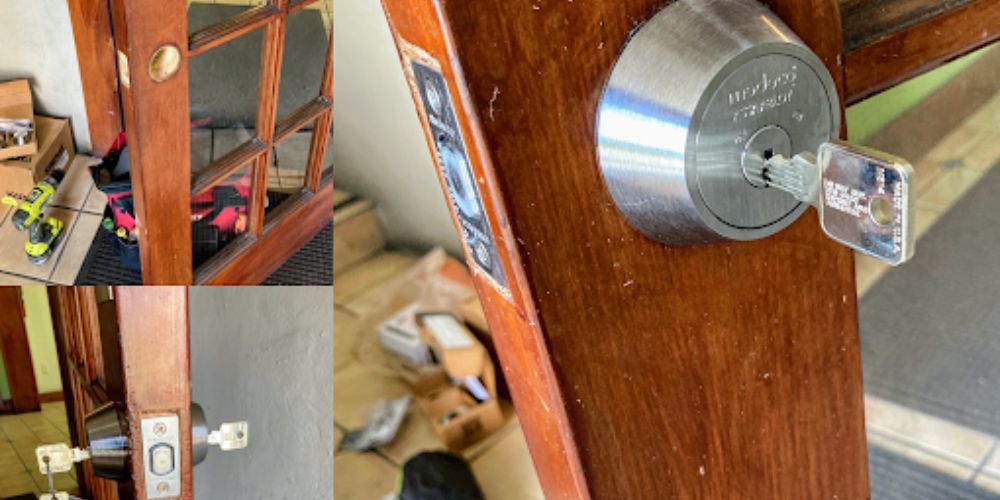
Every day, you rely on your keys and door locks to keep your home, family, and belongings safe. You probably do not think about them much until a key gets stuck or a lock refuses to turn. Just like a car or a bicycle, the security systems in your house need regular care to work smoothly.
If you ignore your locks and keys, they will eventually wear out. Dirt builds up inside the keyhole, metal pieces rub together, and keys get bent. This can lead to unexpected lockouts, broken keys, or expensive emergency repairs.
The good news is that keeping your locks and keys in good shape doesn’t take much time or effort. It only takes a few minutes every few months to keep everything working like new. This guide explains simple ways to keep your locks and keys working properly for years.
Why Lock Maintenance Matters
Many homeowners assume their door locks will last forever without maintenance. They are made of strong metals like brass, steel, or bronze, so they should last forever, right? Unfortunately, that is not how it works.
Locks are made of tiny, delicate moving parts. Inside every standard lock cylinder, there are small pins and springs that must line up perfectly for the key to turn. If even a tiny bit of dust or rust gets inside, these parts cannot move.
Three Benefits of Regular Maintenance:
- It saves you money: Replacing a whole deadbolt or lockset is much more expensive than buying a small can of lubricant.
- It prevents lockouts: A lock rarely breaks without warning. It usually starts sticking first. If you maintain it, you won’t get stuck outside in the middle of the night.
- It keeps your home secure: Weak, dirty, or misaligned locks are much easier for intruders to bypass.
The Best Tools for the Job
Before you start cleaning, you need the right supplies. Using the wrong tools can actually ruin your locks.
Here is what you should gather before you begin:
- Dry Lubricant: This is the most important item. Look for a graphite spray or a Teflon-based (PTFE) dry lubricant. These sprays dry quickly and do not attract dust.
- Microfiber Cloth: A soft cloth is perfect for wiping away grime without scratching the metal finish.
- Mild Dish Soap and Warm Water: This is all you need to clean the outside of your handles and deadbolts.
- A Phillips-Head Screwdriver: You will need this to tighten any loose screws on your door plate or handle.
- An Old Toothbrush: Great for scrubbing away dirt from key grooves and around the lock cylinder.
How to Maintain Your Door Locks
Once you have everything ready, follow these steps to keep your locks working smoothly. You should do this routine at least twice a year.
Step 1: Clean the Lock
Dirt and oil from your hands can build up on your doorknobs and deadbolts. Use your microfiber cloth dipped in warm, soapy water to wipe down the exterior hardware. Do not use harsh chemicals, bleach, or abrasive scrubs. These can strip away the protective coating on the metal, causing it to tarnish or rust. Wipe the surface dry with a clean cloth.
Step 2: Lubricate the Lock
Take your dry lubricant spray and attach the thin straw nozzle to the can. Insert the straw directly into the keyhole and give it a very short spray (less than a second). You do not need a lot.
Next, insert your key into the lock and pull it out several times. Turn the key back and forth to spread the lubricant across all the internal pins. If any black residue rubs off onto the key, wipe it clean with a paper towel and repeat the process until the key comes out clean.
Step 3: Check Door Alignment
A lock can only work properly if the door is hung correctly. If your door sags or warps, the latch bolt of the lock will not line up with the strike plate on the door frame. This forces you to push, pull, or lift the door just to turn the key.
Open your door and look at the gap between the door and the frame. The gap should be even all the way around. If the door is sagging, tighten the screws on the door hinges.
Step 4: Tighten Screws
Over time, doors open and close thousands of times, causing screws to back out. Take your screwdriver and check the screws holding the lock to the door, as well as the screws on the strike plate in the door frame. Tighten them firmly, but do not overtighten them, as this can warp the lock mechanism.
How to Care for Your Keys
Your lock is only half of the equation. If your keys are dirty, bent, or worn out, they will damage your locks. Taking care of your keys is just as important as taking care of your deadbolts.
1. Clean Your Keys
Keys travel in dirty pockets, get dropped on the ground, and gather germs. Use an old toothbrush and some soapy water to scrub the deep cuts and grooves on your keys. Dirt stuck in these grooves gets pushed deep into your lock cylinder every time you unlock your door. Dry them thoroughly so they do not rust.
2. Don’t Use Keys as Tools
It is very tempting to use a key to rip open a cardboard box, scrape paint, or pry open a can lid. However, keys are made of soft metals like brass. Using them as tools can easily bend or twist the blade. A bent key will put uneven pressure on the lock pins, eventually breaking the key or damaging the lock.
3. Replace Worn Keys
Look closely at your keys. Are the sharp, triangular teeth starting to look rounded and flat? A worn-out key will not lift the lock pins to the correct height. If you have to wiggle, shake, or pull the key slightly out of the lock to make it turn, the key is worn out.
Do not get a copy made from a worn-out key! The copy will have the same flaws. Instead, find your original master key (the one you kept in a safe drawer) and use that to make new copies, or have a locksmith cut a brand-new key to code.
Seasonal Lock Care
Changes in weather affect your doors and locks. Wood expands in the hot, humid summer and shrinks in the cold, dry winter. This shifting can put a lot of pressure on your locks.
- Summer Care: High humidity can cause metal parts to oxidize (rust) faster. Apply dry lubricant to your locks right before summer starts to protect the internal brass components from moisture.
- Winter Care: Moisture can seep into outdoor locks and freeze, preventing the pins from moving. If your lock freezes, do not force the key inside. Instead, use a commercial lock de-icer spray or gently heat your key with a hairdryer before inserting it.
Lock and Key Maintenance Schedule
Use this simple reference table to keep track of your home security maintenance tasks throughout the year.
| Task | How Often | What to Use | Why It Helps |
|---|---|---|---|
| Wipe Down Exterior | Every 3 Months | Warm soapy water & cloth | Prevents tarnish and removes oil/grime. |
| Lubricate Keyhole | Every 6 Months | Graphite or Teflon spray | Keeps internal pins moving smoothly. |
| Tighten Screws | Every 6 Months | Screwdriver | Prevents loose handles and poor alignment. |
| Clean Your Keys | Every 6 Months | Toothbrush & soap | Keeps dirt from entering the lock cylinder. |
| Check Door Sag | Once a Year | Visual inspection | Ensures latch lines up perfectly with the frame. |
| Replace Worn Keys | As Needed | A locksmith cut | Prevents broken keys inside the cylinder. |
Common Lock Problems
Even with regular care, you might run into a few issues. Here is how to handle the most common lock and key problems safely:
Key Won’t Turn
This is usually caused by dry pins or a buildup of dust. To fix this:
- Apply dry lubricant: Spray a tiny amount of graphite or Teflon spray directly into the keyhole.
- Work the lock: Gently insert your key and slide it in and out to spread the lubricant.
- Inspect the key: Check if the key blade is slightly bent or if the teeth are worn flat.
Key Stuck in Lock
If your key gets stuck and will not pull out, do not yank on it! You might snap the key off inside the cylinder. Instead, try this:
- Stabilize the cylinder: Press your thumb firmly against the face of the lock, right around the keyhole.
- Wiggle and pull: With your other hand, gently wiggle the key while pulling it straight out.
- Lubricate immediately: Once the key is free, spray the lock with dry lubricant to prevent it from sticking again.
Lock Works Only When Open
If your key turns easily when the door is open, but gets stuck when the door is shut, you have an alignment problem. The deadbolt is rubbing against the strike plate.
- Inspect the alignment: Look closely at where the bolt hits the strike plate on the door frame.
- Check the hinges: Make sure your door is not sagging due to loose hinge screws.
- Adjust the plate: If needed, unscrew the strike plate and move it slightly up, down, or deeper into the frame so the bolt can slide in without friction.
Conclusion
Regular door lock and key maintenance is essential for keeping your home secure, preventing stressful lockouts, and avoiding expensive emergency repairs. Because locks rely on delicate internal pins and springs, small particles of dirt or rust can easily jam the mechanism over time. To keep them working smoothly, clean the exterior of your hardware with warm, soapy water twice a year, and apply a quick spray of a dry lubricant like graphite or Teflon directly into the keyhole. Always avoid using wet oils like WD-40, which attract dust and lint that can gum up the lock, and make sure your door hinges are tight so the deadbolt aligns perfectly with the strike plate on your door frame.
Taking care of your keys is just as important as maintaining the locks themselves, as dirty, bent, or worn-out keys will quickly damage the internal cylinder. You can easily keep them in top shape by scrubbing their grooves with an old toothbrush, avoiding using them as makeshift tools to pry open boxes, and replacing them when the teeth start to look flat. While these simple DIY habits will prevent most issues, tricky situations like a snapped key or a completely misaligned lock are best left to the experts. When you need fast, reliable help, contact the professional team at Best Locksmith to handle all your lock repairs, key duplications, and home security upgrades.




